• École nationale supérieure d'architecture de Paris-la Villette

News

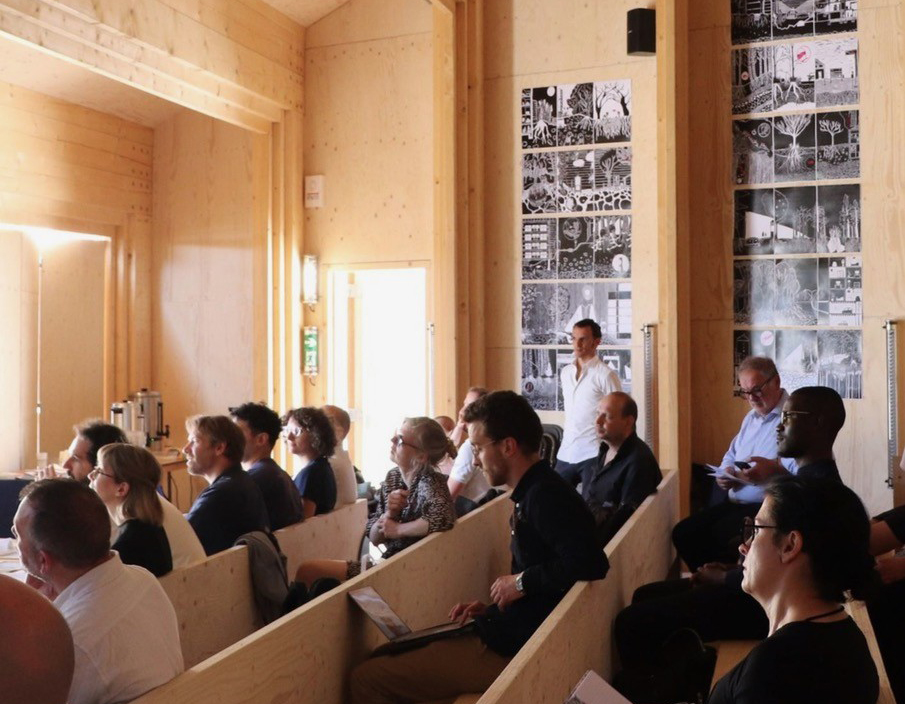
  • Join the Research in Architecture post-master's program at the start of the new academic year

    Are you thinking of doing a thesis?

    Give yourself the opportunity to spend an extra year in a post-master’s program to confirm your choice and get acculturated to the world of architectural research with a first experience in a research team!

    This course is aimed at architects who have graduated in France or abroad, and hold a university master’s degree or equivalent in spatial issues, as well as master’s students (architecture or other) subject to obtaining their current degree.

  • Applications are now open for the D-PRAUG 2027 course (Programming approaches in architecture, urban planning and urban engineering).

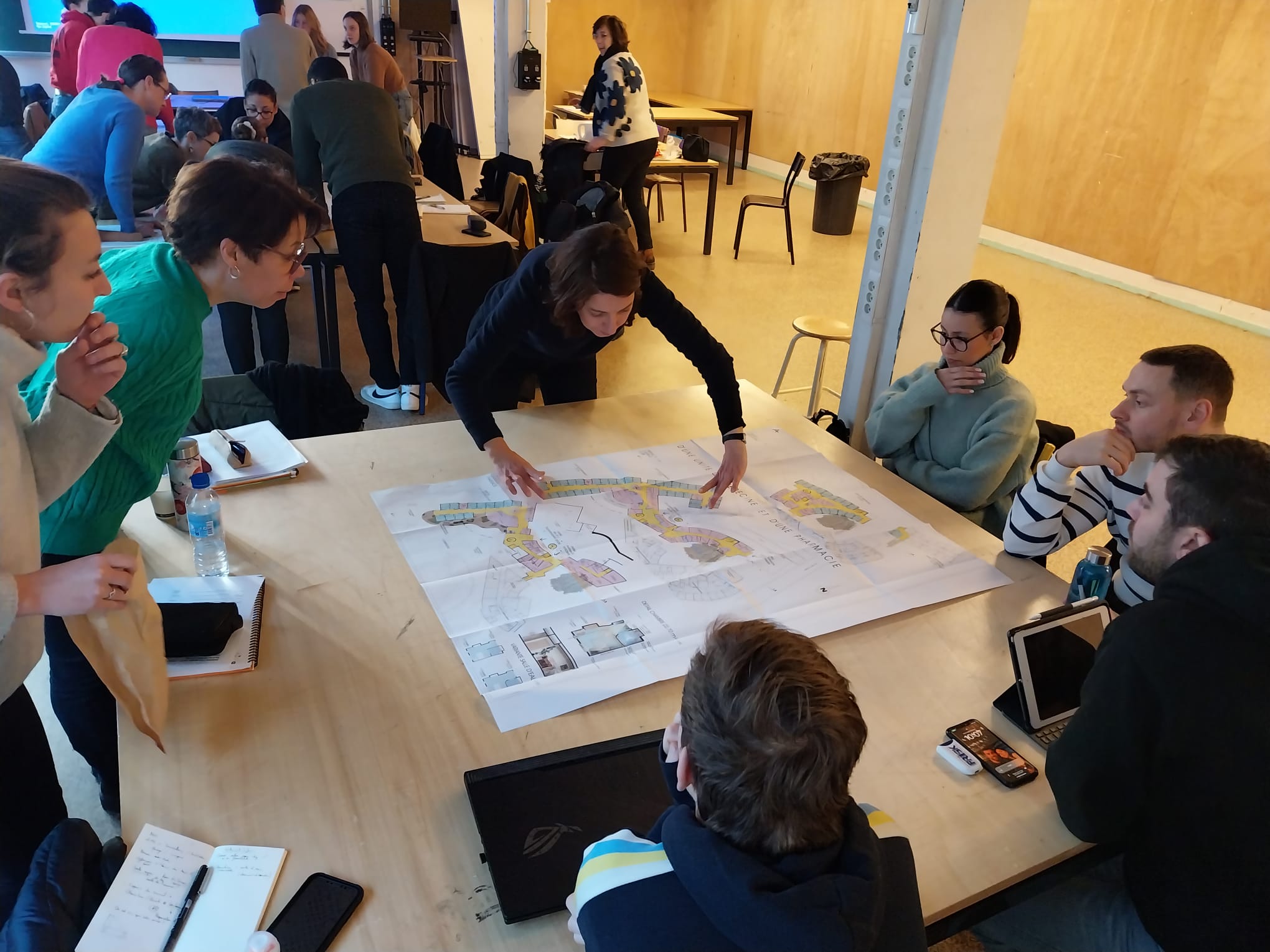
    D-PRAUG is a continuing education program dedicated to urban and architectural programming approaches in support of the ecological transition. It is offered by three leading higher education establishments: École des Ingénieurs de la Ville de Paris, École d’Urbanisme de Paris and École nationale supérieure d’architecture de Paris-la Villette.

    This post-master’s level certification course is aimed at professionals in the field of planning and the built environment, either working or looking for a job, and at holders of at least 4 years’ higher education with professional experience in architecture, urban planning and/or construction. Validation of prior professional experience is possible.

    The next D-PRAUG training course, for up to 20 people, will take place in 2027.

  • Summer Academy in Architecture and Urban Studies - Villa Albertine: 6 of the 9 participating students are from La Villette!

    Following a call for applications, Inès Ben Yarou, Ana Candale, Mathieu Gaudé, Goumar Assia Goumar, Naa-Larlei Lakai and Nathan Oriou have been selected to take part in a nine-week program set up by Villa Albertine and the Cultural and Educational Service of the French Embassy in the United States, in partnership with Gustave Eiffel University.

    This program, supported by Saint-Gobain, offers them the opportunity to enjoy a unique cultural, human and professional experience.

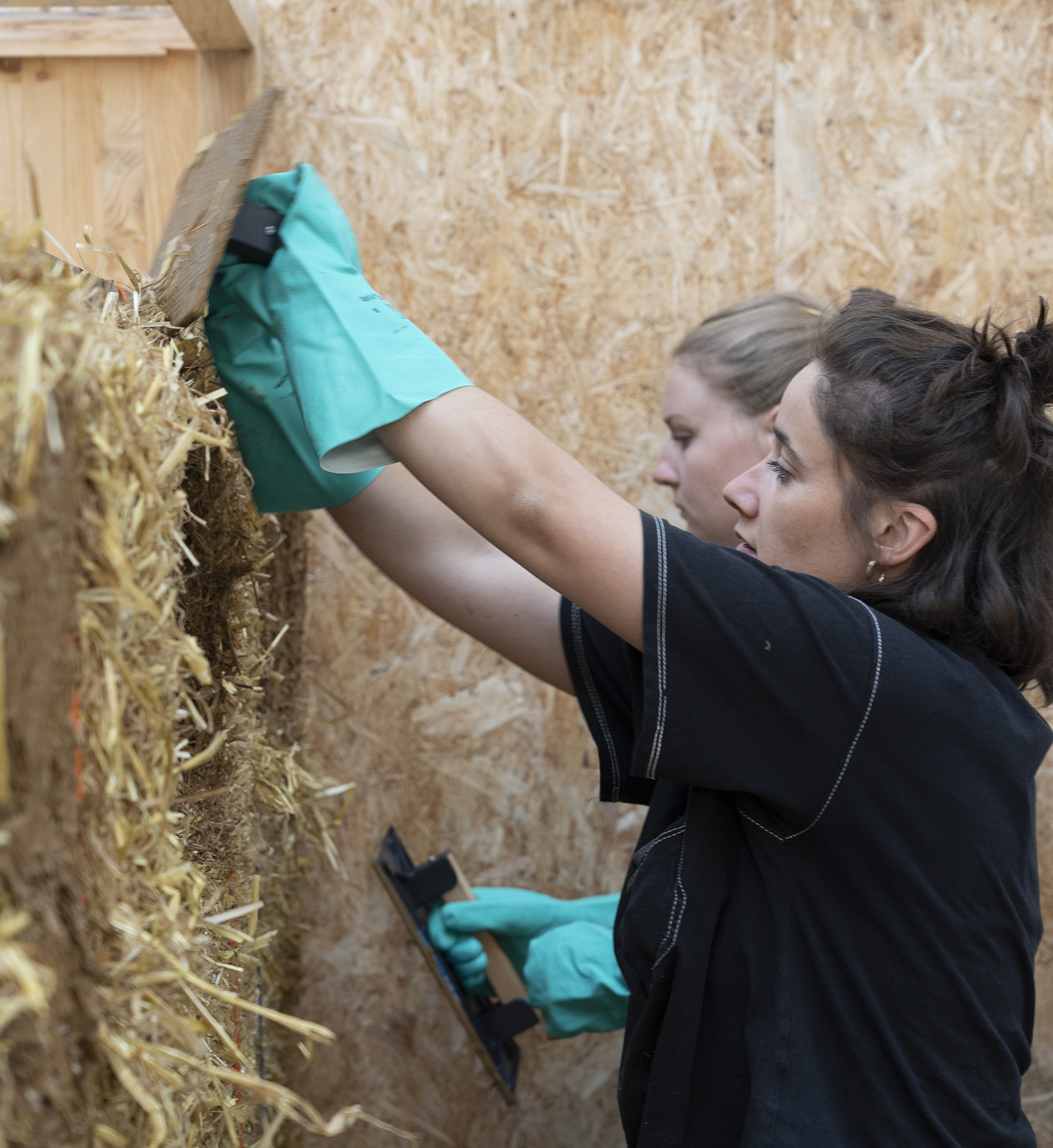
  • Acquire new skills: learn to build with straw!

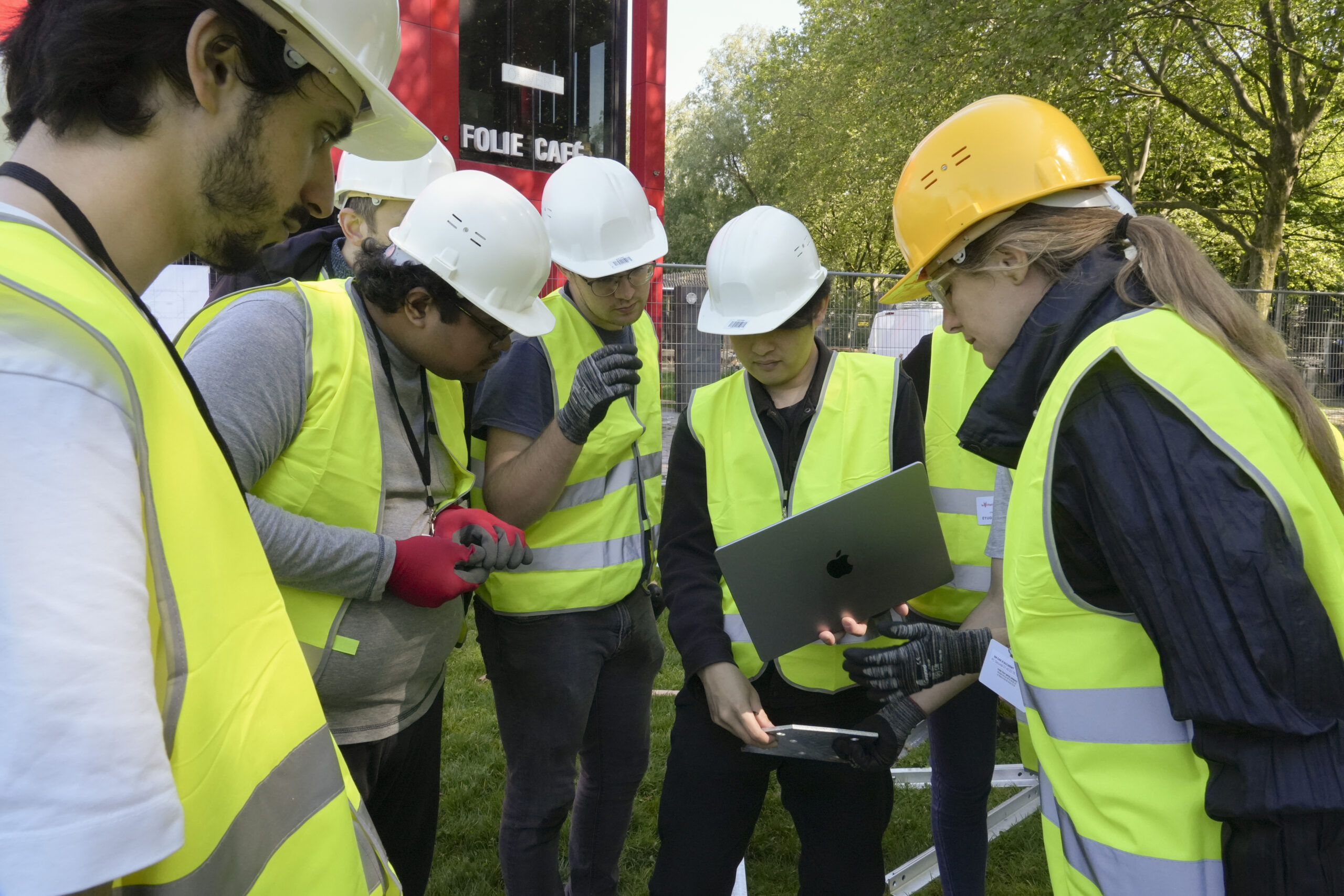
    Since 2024, ENSA Paris-la Villette has regularly offered the Pro-Paille training course, which offers a comprehensive approach combining theory and practical exercises, enabling learners to master the principles and techniques in line with the professional rules for straw-bale construction (RPCP 2012) and apply them in construction or renovation projects.

    The RPCP 2012, drawn up by the Réseau Français de Construction en Paille, constitute the official and normative framework in France. They define best practices for the use of straw as structural insulation and plaster support.

    This continuing education course is aimed at all design, engineering and construction professionals wishing to acquire the skills needed to enter this market, as well as project owners and technical departments wishing to commission and maintain buildings (local authorities, landlords, developers).
    No prior knowledge is required.

    The next Pro-Paille training course, for a maximum of 15 people, will take place from September 14 to 18, 2026.

    Application deadline: June 26, 2026

    Find out more: content, fees, registration

Event

Initial training

ENSAPLV offers a full range of courses to meet the needs of architecture schools.

Voir tout

License

ENSAPLV offers a generalist program structured around the fundamentals of spatial culture and the built, urban and anthropological dimensions of architecture, considering architecture as both a "world" and a relationship to the world. The school thus affirms its ambition to train reflective practitioners, committed citizens and critical intellectuals.

Master

The second cycle prepares students for the various professional fields and modes of practice in architecture, as well as for architectural research.

Bi-cursus

ENSAPLV offers four Architect-Engineer and Engineer-Architect bi-courses in partnership with the École Spéciale des Travaux Publics (ESTP-Paris) and the École des Ingénieurs de la Ville de Paris (EIVP).

PhD

The doctorate (bac +8) is part of a "research training through research" program. From the Master 2 level onwards, students can follow the optional research course and enroll in the post-master's program Recherches en architecture. The thesis is then prepared in one of the school's six laboratories.

OTHER TRAINING

ENSAPLV offers a full range of courses to meet the needs of architecture schools.

Apprenticeship training

ENSAPLV offers a number of apprenticeship diplomas, equivalent to a bachelor's degree. Built in cooperation with partner establishments, these professional training courses are designed to train new building professionals capable of assisting architects in their missions.

Post-master

ENSAPLV offers two post-master's degree courses, one of which is a gateway to a doctorate in architecture, and the other combines architecture and marine engineering, leading to a double diploma in naval architecture.

Continuing education

ENSAPLV sees lifelong learning as a key component of its strategy for economic and social success. It is an essential driver for the emergence of potential professions and individual and collective capacity for innovation.

Scientific life at ENSAPLV: research and expertise

    • 6

      Research units

    • 1

      Thematic scientific network

    • 3

      Partnered teaching and research chairs

Since its creation, ENSAPLV has developed a wide-ranging research activity, the aim of which is to produce knowledge that will contribute to the evolution of architecture, urban planning and landscape design, and to their adaptation to changes in the planet and society.

Research is an integral part of the school’s identity, and is widely disseminated by its teacher-researchers, who carry out almost all their work within the school. The school also strives to maintain a balance between professional and research training, to guarantee a diversity of choices.

Research teams work in the fields of architecture, urban planning, territories and landscape, drawing on philosophy, sociology, anthropology, history, ergonomics, geography, computer science, cognitive science and design science.