Prix des Espoirs de l'architecture BNP Paribas Real Estate 2025: 3/3 for ENSAPLV students!
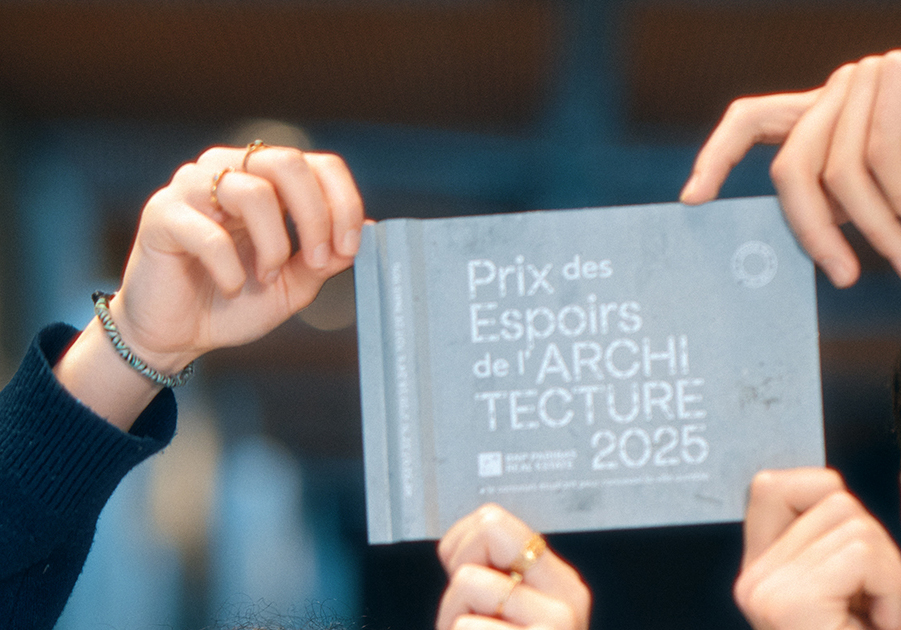
© Rudolph Lagarrigue
On February 18, 2026, BNP Paribas Real Estate unveiled the winners of the 18th edition of its Prix des Espoirs de l’architecture at an awards ceremony at its offices in Boulogne-Billancourt.
All the awards were won by students from ENSA Paris-la Villette:
- Jury prize: “En attendant l’orage” by Romane Toussaint, Master 1 student
- Internet users’ favourite award: “Bobigny Délire” by Malaury Pierre and Maxime Caudrelier, Master 1 students
- BNP Paribas Real Estate Special Prize – “Du bureau à l’assiette, dèmen ka kiltivé” by Morgane Lelouey-Rault, Master 1 student
The theme of the 18th edition of the competition, which is open to 4th and 5th year students at schools of architecture and/or engineering-architect bi-courses, was Adaptation and mitigation: anticipating and acting in the face of climate disruption.
Candidates were invited to imagine a project for the conversion of vacant tertiary buildings located in France, exploring adaptation to climate change through several axes: protecting users from climatic hazards, changing and sharing uses, resilience of existing buildings and reducing environmental impact.
Presentation of winning projects
Selected for the quality of its thinking and the relevance of its response to climate issues, the project offers a sensitive and innovative architectural response to the intensification of hydric episodes. It is located in a district of Rouen marked by urban isolation and a gradual rise in water levels, which could reach 1.5 meters by 2100.
Rather than fight against this climatic hazard, the project chooses to learn to live with it. The building becomes a neighborhood library, conceived as a veritable reservoir, capable of holding both knowledge and rainwater. Its vegetated first floor, designed as a free, porous soil, functions in calm weather as a public garden, and in wet weather is transformed into an amphibious landscape criss-crossed by pontoons.
Inside, the architecture is organized like a hydraulic machine. A central reservoir room can alternately host conferences or store water before redistributing it into reuse circuits. On the façade, a glazed double skin acts as a vertical tank, playing the role of winter garden or hydraulic container depending on climatic conditions.
By turning water from a constraint into a resource, “En attendant l’orage” proposes a model that can be reproduced on an urban scale. Multiplied throughout the city, these architectures would form a network of reservoirs capable of absorbing excess water while recreating social ties.
Inspired by Rem Koolhaas’s “New York délire”, this project asserts a critical and forward-looking stance: observing an ordinary territory and projecting an assumed vision of the city of tomorrow.
The term “délire” here is not synonymous with excess or absurdity, but with constructive utopia. It’s a question of taking the opposite view from a sometimes standardized urbanism to propose a more generous, more plant-based and more collective architecture.
The students imagined a green, eco-responsible building that would be open to its neighborhood, incorporating a semi-permeable planted square, planted terraces and a communal vegetable garden. The aim is to create a building that breathes, limits heat islands and encourages exchanges between residents.
In addition to environmental performance, the project emphasizes common spaces: a shared foyer, meeting places and intergenerational spaces. The “Bobigny Délire” project thus defends an architecture that goes beyond simple housing to recreate social links and imagine a more sustainable, collective and lively city.
Malaury Pierre and Maxime Caudrelier’s project received a total of 890 votes.
This project proposes the transformation of a vacant former bank branch in Guadeloupe into a nourishing and resilient place. Faced with intensifying rainfall, increasing heat and weakened soils, the architecture chooses to work with the tropical climate rather than constrain it.
Spaces are raised to anticipate rising water levels, soils are desilted to encourage infiltration, and natural ventilation provided by the trade winds limits the need for air conditioning. Using local resources such as coconut fibre and tropical wood, the building becomes an open ecosystem. A crèche, culinary workshops, a productive greenhouse and communal spaces breathe new life into the vacant tertiary sector, linking climate, food and social ties in a model that can be adapted to other exposed territories. The “From office to plate” project demonstrates that by rehabilitating existing buildings and drawing on local resources, architecture can become a concrete lever for climate resilience, while at the same time recreating spaces for sharing that are firmly rooted in their territory.
Winning projects in pictures
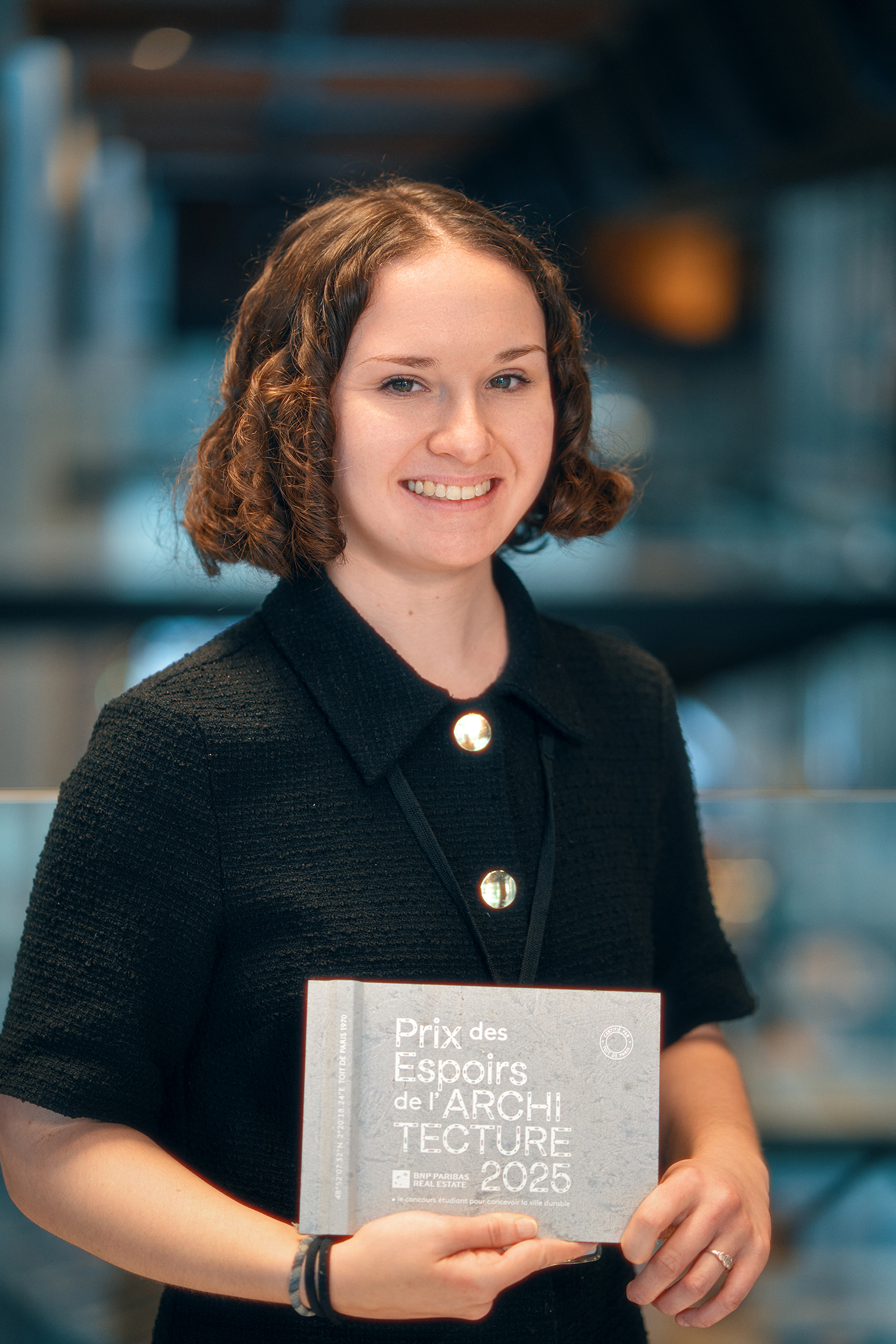
<p>Romane Toussaint, winner of the Jury Prize – © Rudolph Lagarrigue</p> 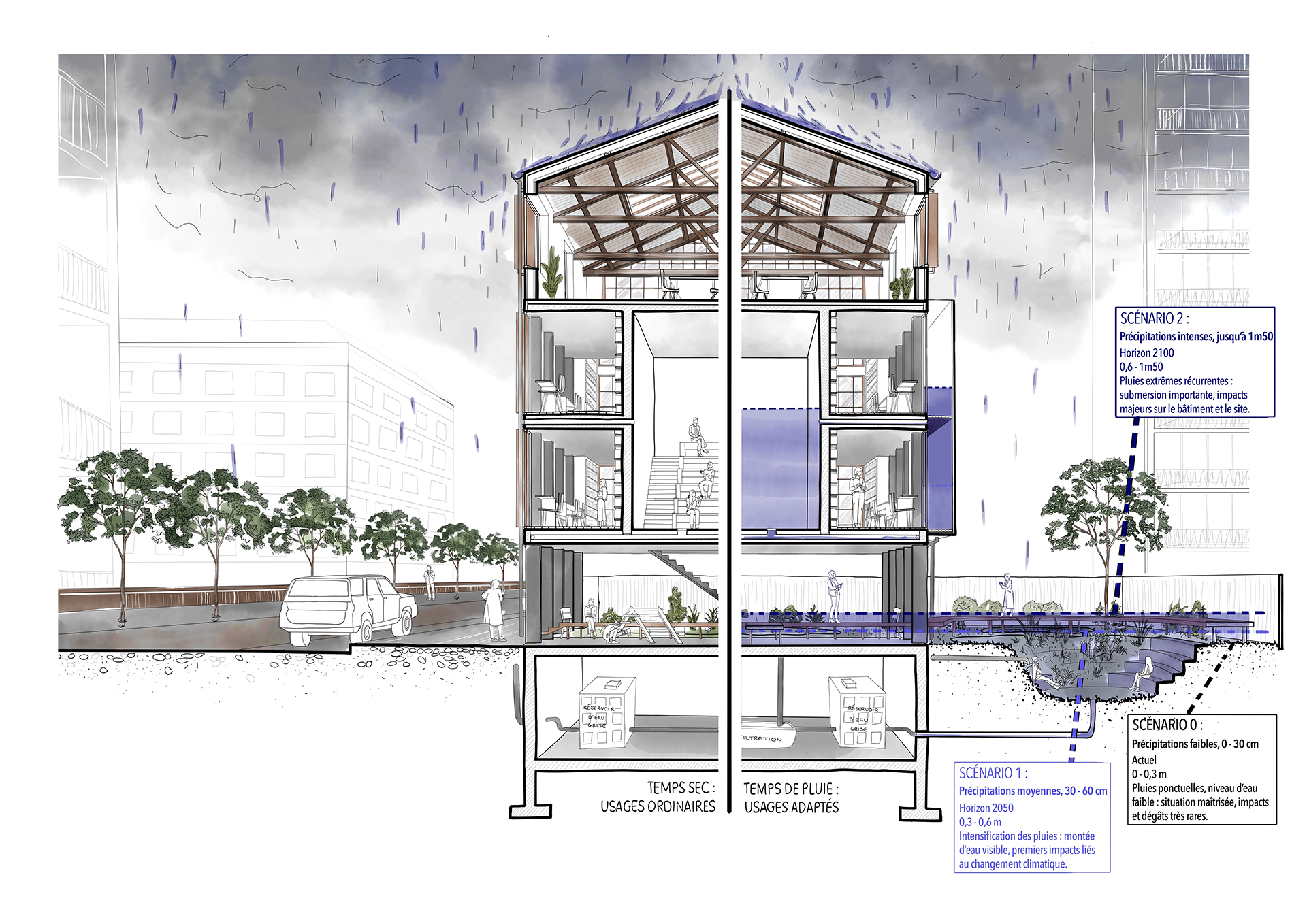
<p><em>En attendant l’orage</em>, project by Romane Toussaint – © Romane Toussaint</p> 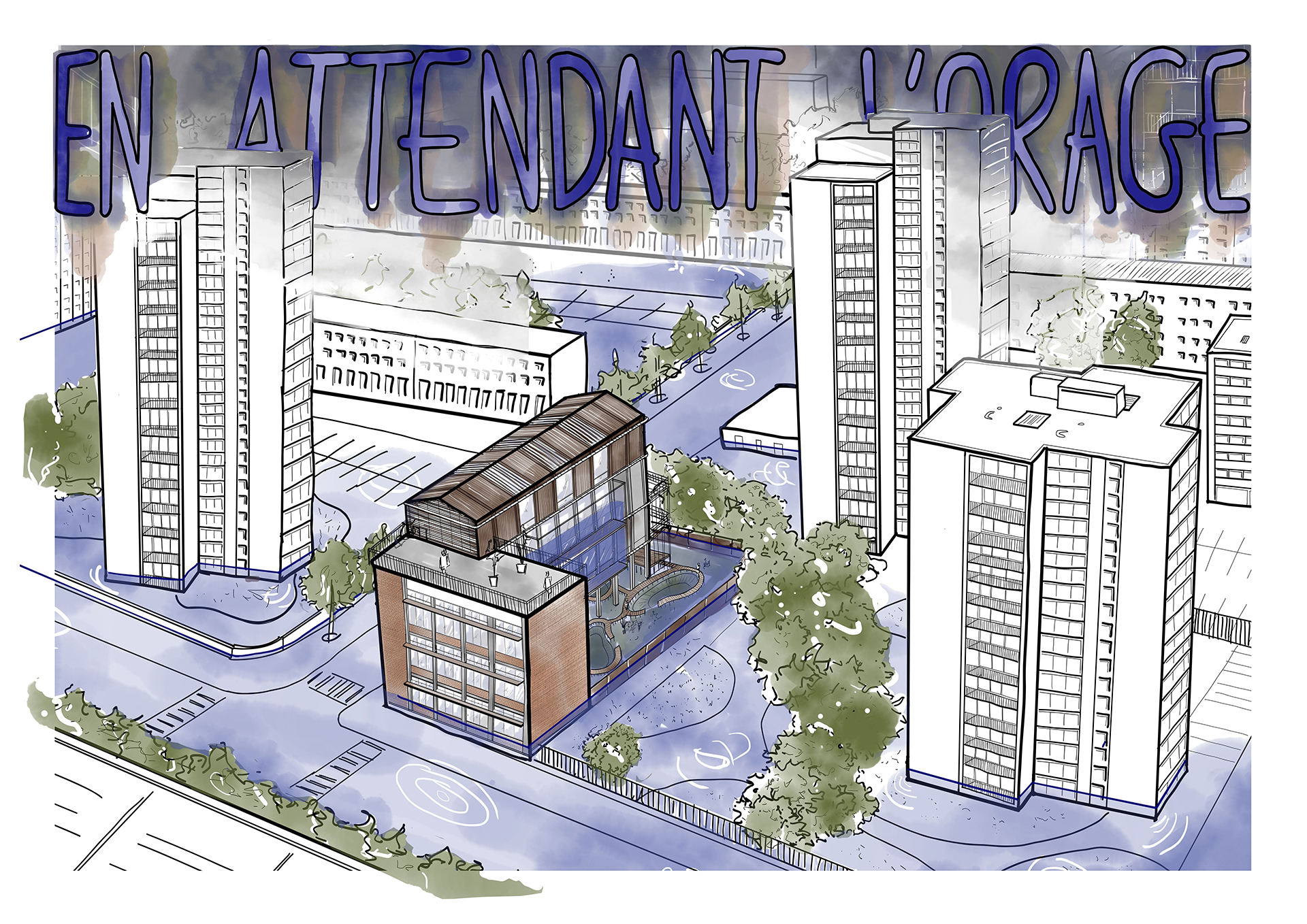
<p><em>En attendant l’orage</em>, project by Romane Toussaint – © Romane Toussaint</p> 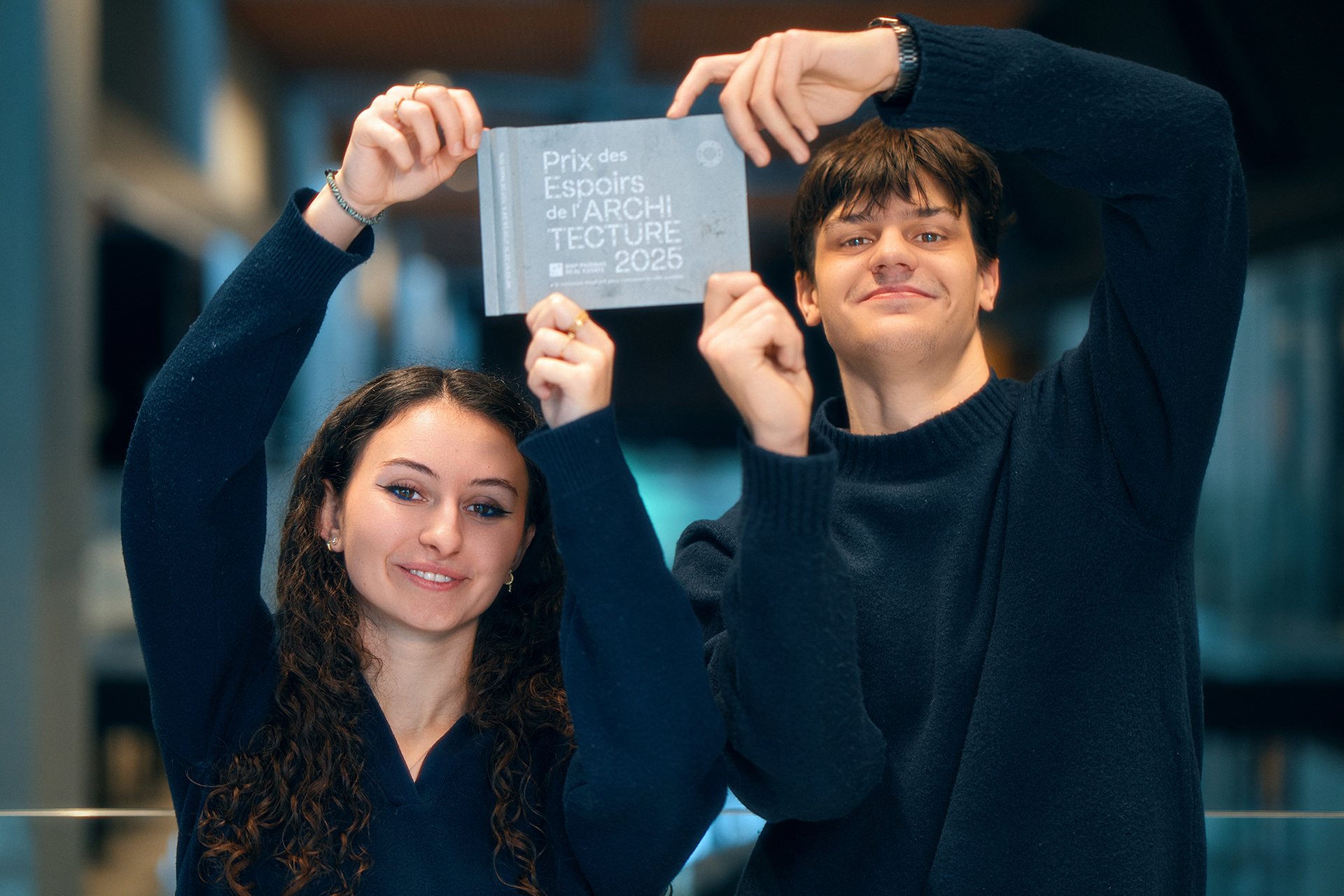
<p>Malaury Pierre and Maxime Caudrelier, winners of the “Coup de cœur des internautes” prize – © Rudolph Lagarrigue</p> 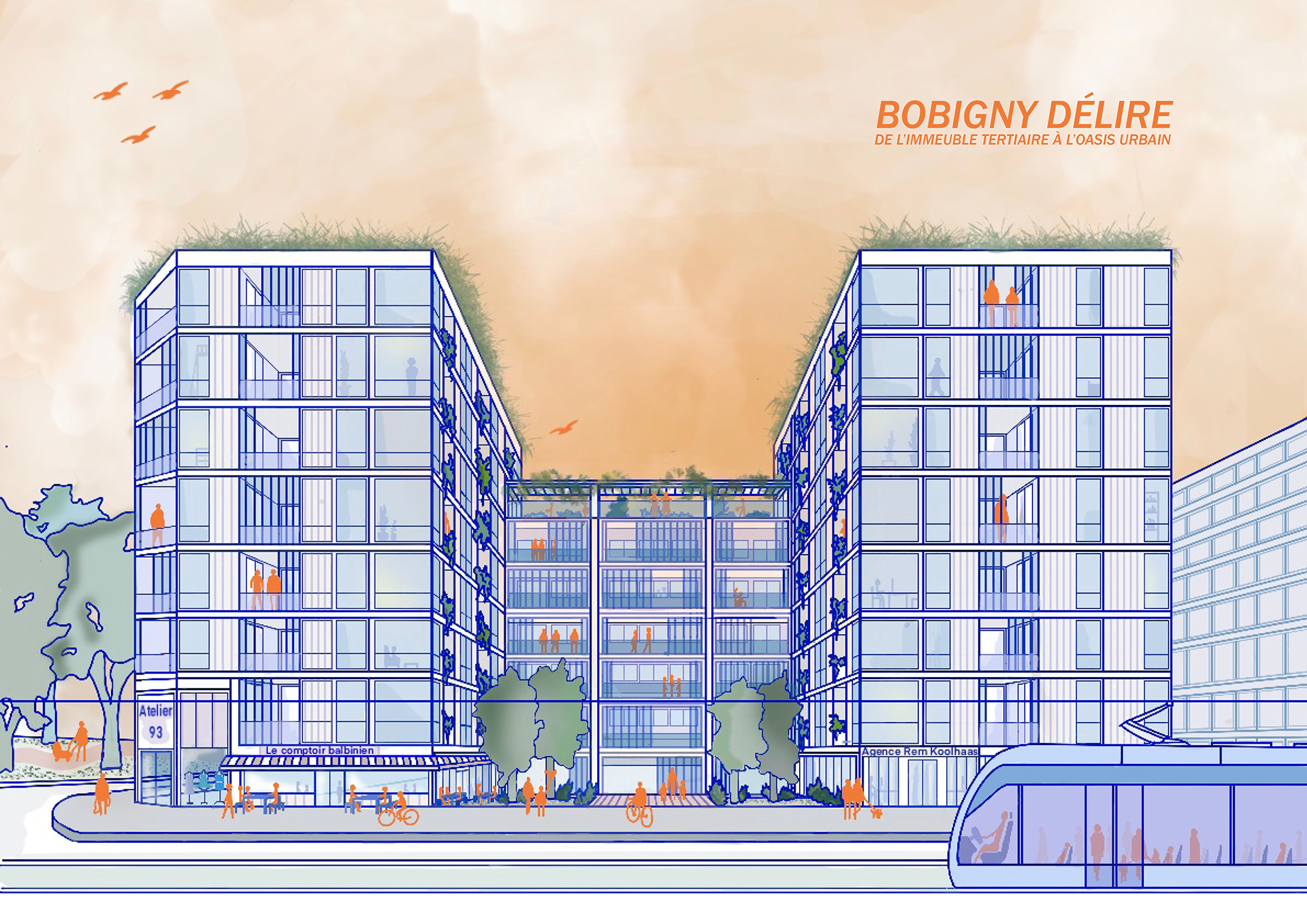
<p><em>Bobigny Délire</em>, project by Malaury Pierre and Maxime Caudrelier – © Malaury Pierre and Maxime Caudrelier</p> 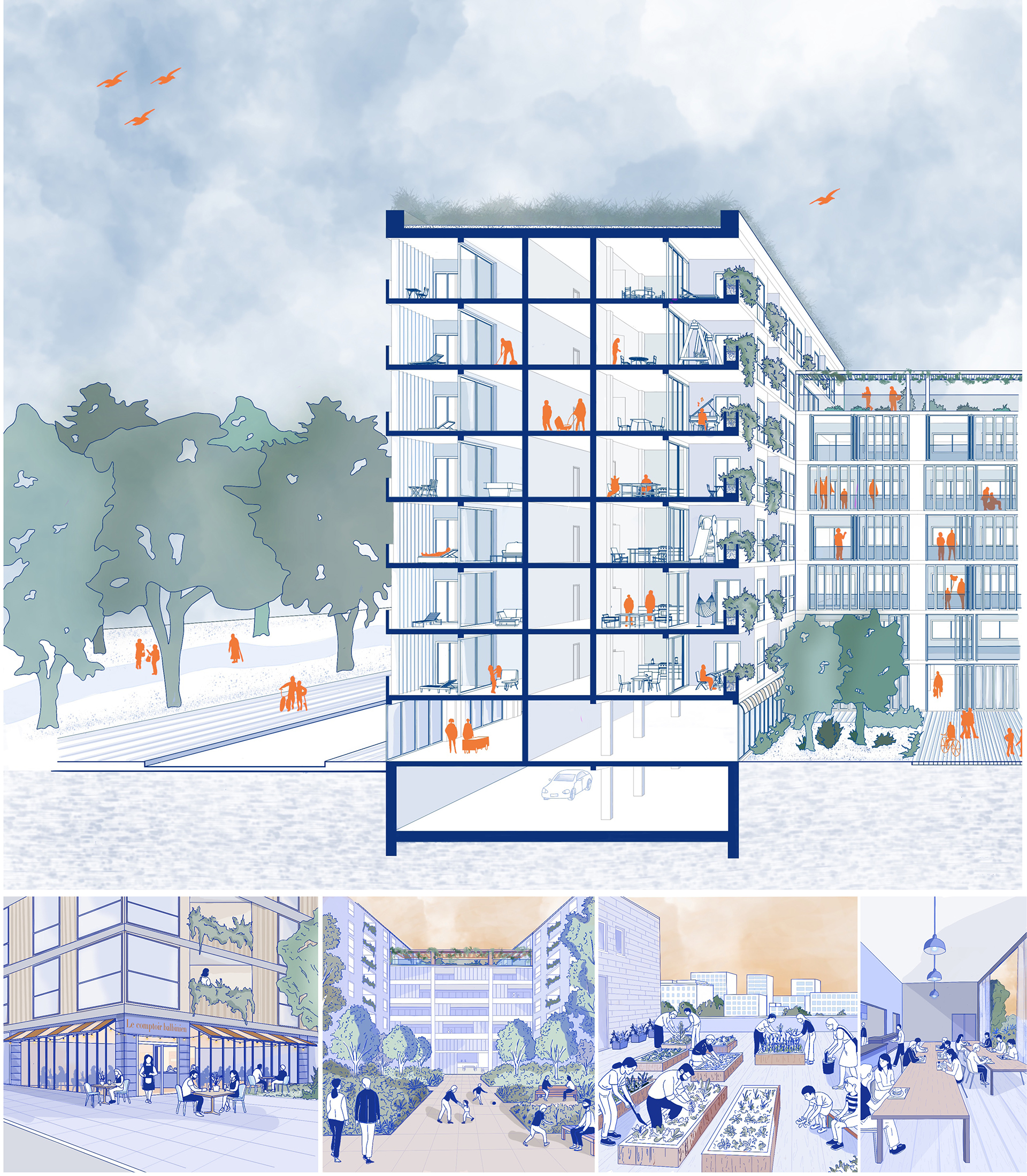
<p><em>Bobigny Délire</em>, project by Malaury Pierre and Maxime Caudrelier – © Malaury Pierre and Maxime Caudrelier</p> 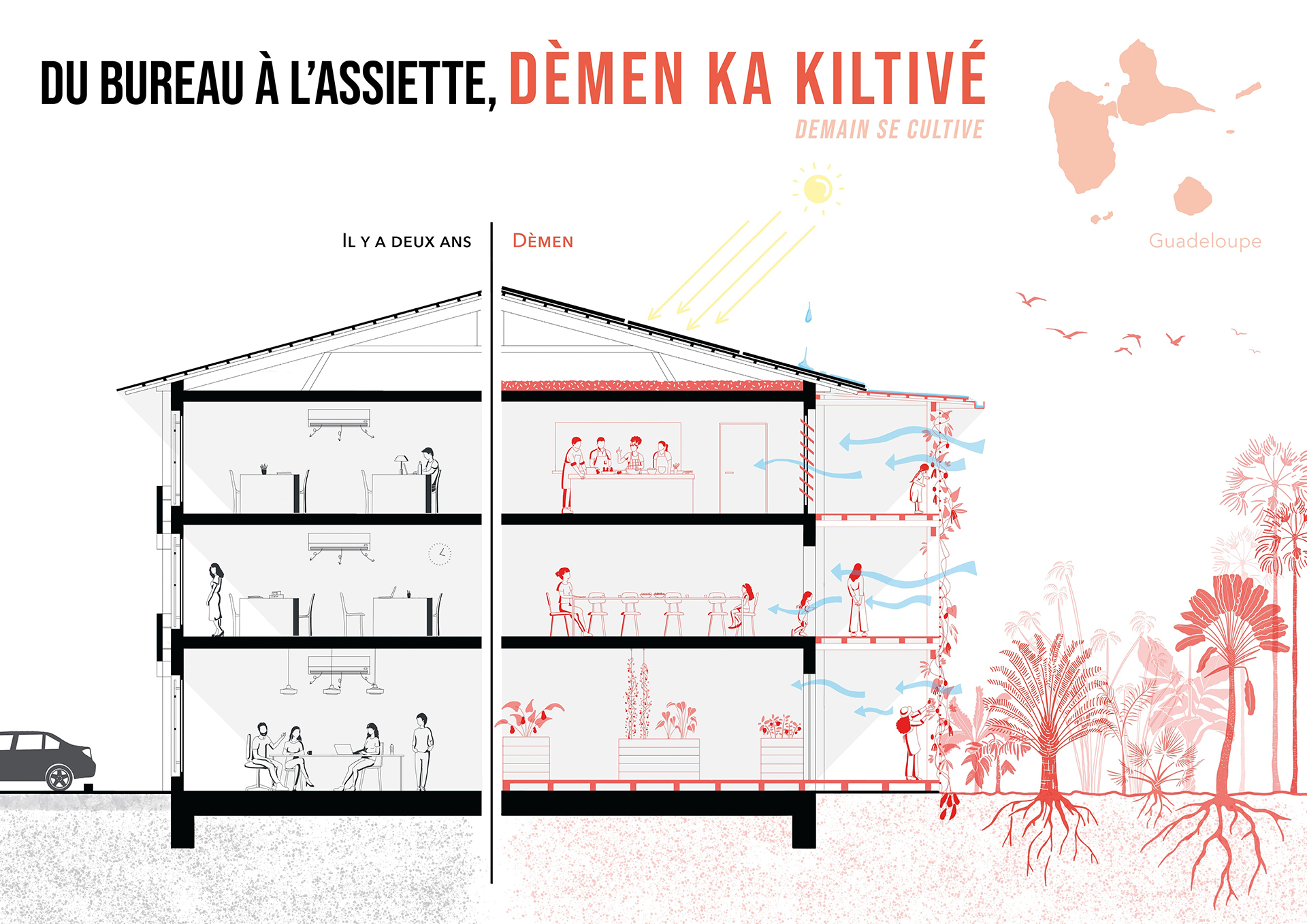
<p><em>Du bureau à l’assiette, dèmen ka kiltivé</em>, project by Morgane Lelouey-Rault – © Morgane Lelouey-Rault</p> 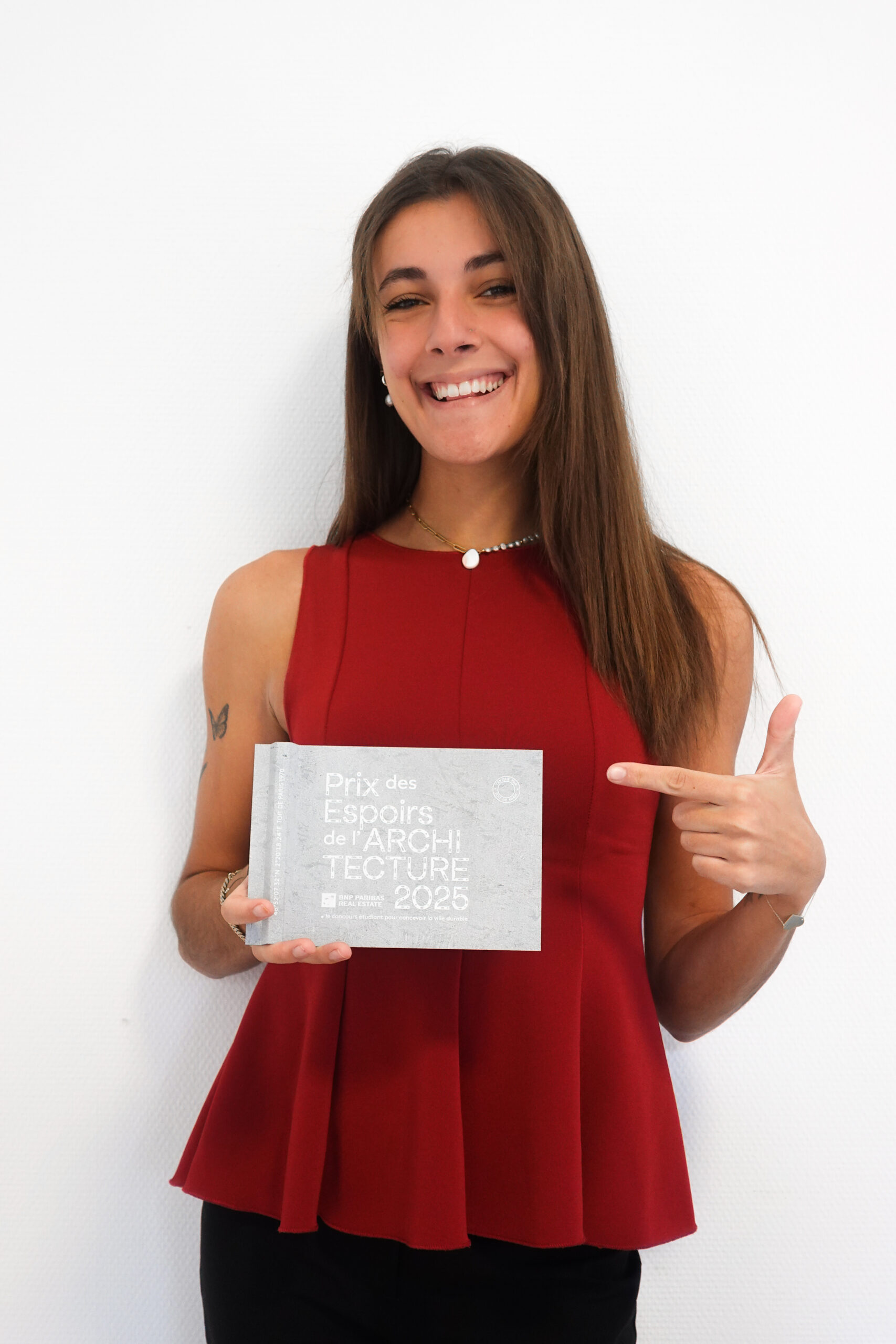
<p>Morgane Lelouey-Rault, winner of the BNP Paribas Real Estate Special Prize </p> 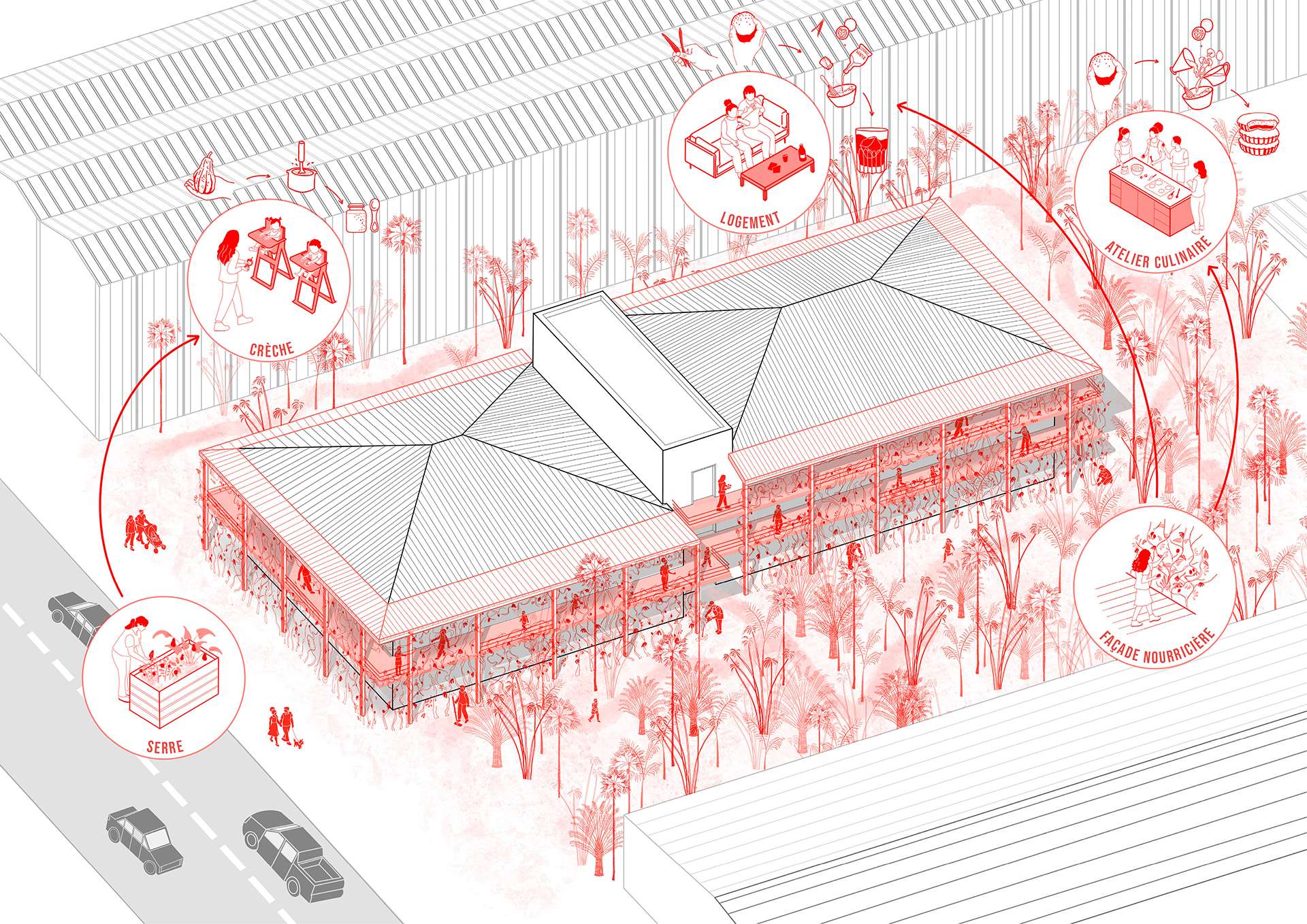
<p><em>Du bureau à l’assiette, dèmen ka kiltivé</em>, project by Morgane Lelouey-Rault – © Morgane Lelouey-Rault</p>
News
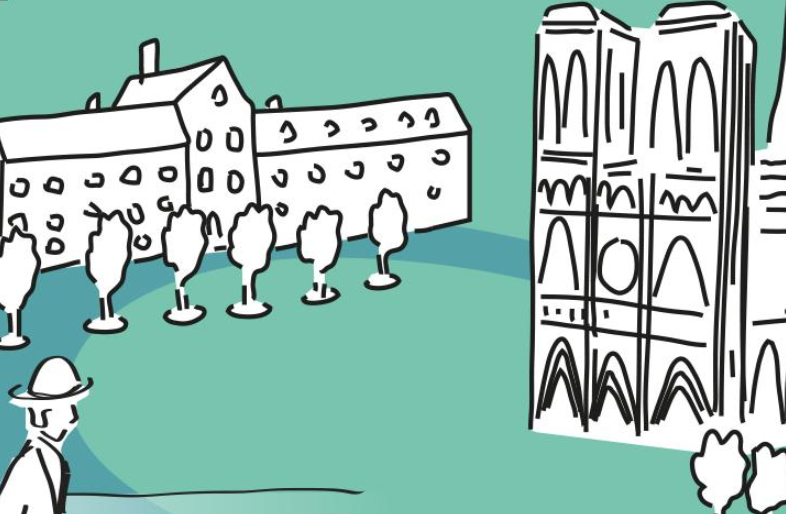
Award for an ENSAPLV student
Camille Chenal-Mitterrand, a Master 2 student, is a member of one of the eight multi-disciplinary winning teams in the “Dressing the palisades of the Notre-Dame construction site” competition organized by the City of Paris and the CAUE 75.
While we wait for the prize-winning graphic designs to dress the palisades of the construction site between 2026 and 2028, it’s already possible to browse and zoom in on the entire line designed by each team on the CAUE 75 website.
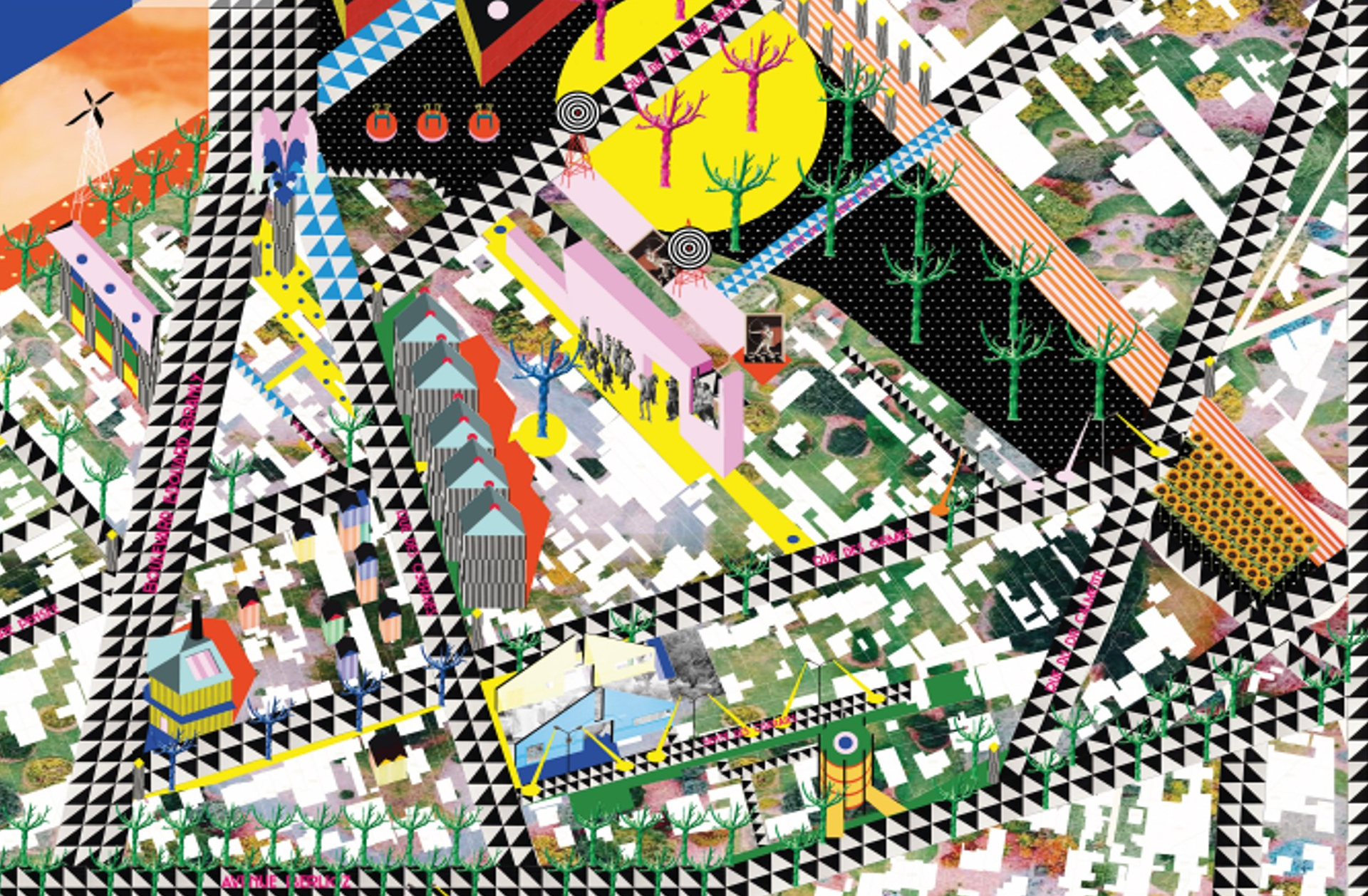
Europan 18 competition results unveiled
Organized simultaneously in 12 European countries, Europan is one of the largest international ideas competitions for architecture, urban planning and landscape professionals under the age of 40. It is run in partnership with the European municipalities, local authorities and project owners of the selected sites.
The 18th Europan session, dedicated to the theme of “Re-sourcing”, saw 153 teams of young designers win awards at 47 sites in Austria, Croatia, France, Finland, Germany, Italy, the Netherlands, Norway, Portugal, Spain, Sweden and Switzerland.
Ré]inventer l'existant 2025" competition
Congratulations to Eve Bergeron, Emma Coppens and Lilia Hocine, students at ENSA Paris-la Villette, winners and finalists in the third edition of the competition [Ré]inventer l’existant 2025: les architectes de demain imaginent notre avenir post-carbone, organized by DRAC and DRIEAT Île-de-France!
The “Le Ventre de la Baleine” project, under the direction of Guillaume Baron and Mesnil Sineus, won the “Architect Mediator” special mention.