"Invites architecturales", architecture as mediator between humans and non-humans
© David Vardanyan, student at ENSAPLV
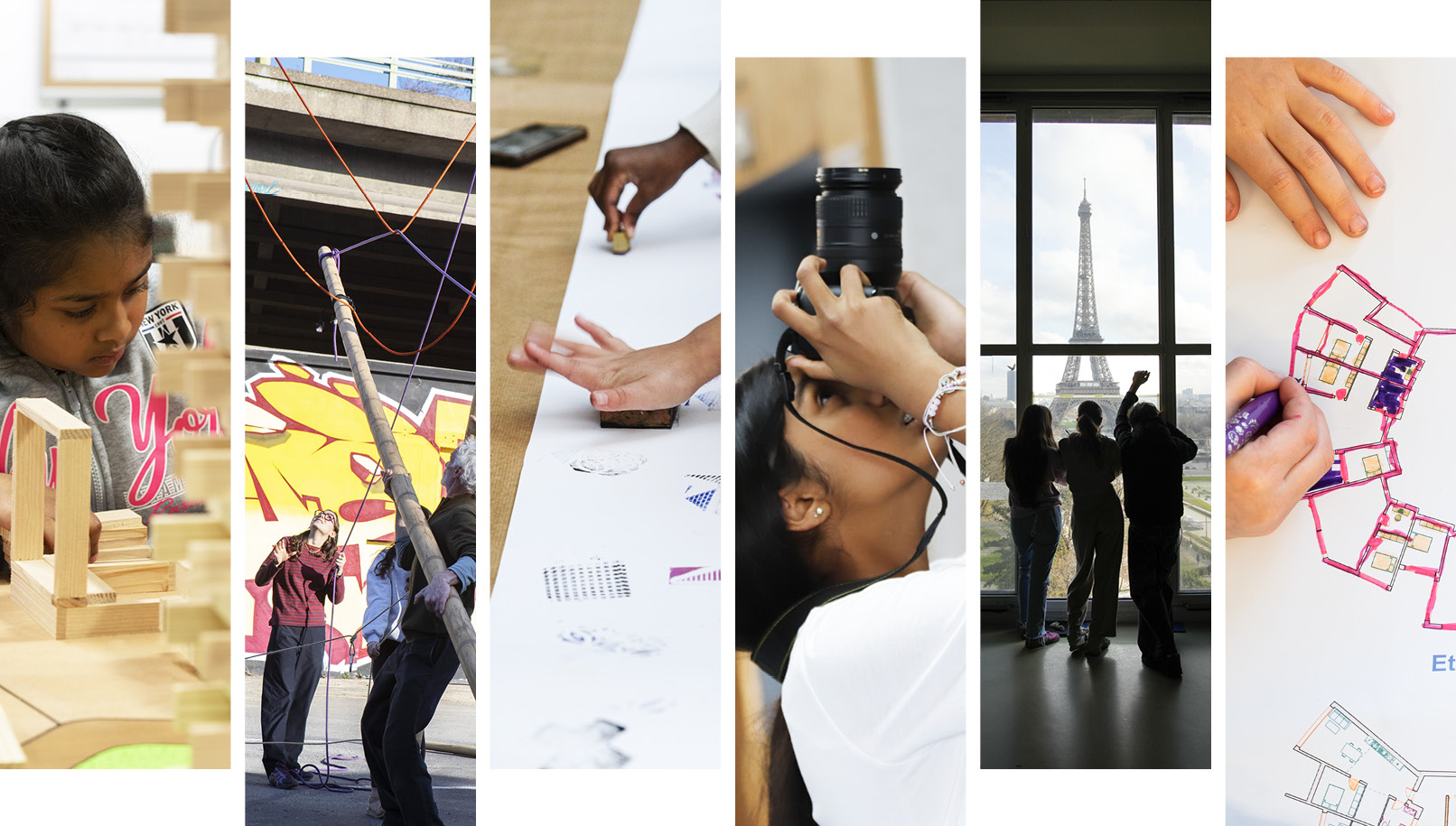
For the third year running, a group of first-year Master’s students who have chosen the P802 “Applied Architectural Ecologies” project studio, supervised by teachers Xavier LagurgueFiona Meadows and Baptiste Debombourg, designed and built floating installations exploring the links between architecture and biodiversity.
In all, some twenty 1:1-scale creations have been installed on the artificial water feature of the Jardin d’agronomie tropicale de la Ville de Paris. These architectural devices invite mosquitoes and spiders, tadpoles and frogs, fish and butterflies, crows and kingfishers to use them as they please to eat, nest, perch or hide. Designed and built between February and May of this year, they can be observed from June 4 to October 31, 2026. Which animal will colonize which device?
As part of the ” La nuit des forêts ” festival, students from ENSA Paris-la Villette and their teachers are offering free guided tours on June 20 and 21, 2026, for which prior registration is required.
The principles of the “architectural prompt
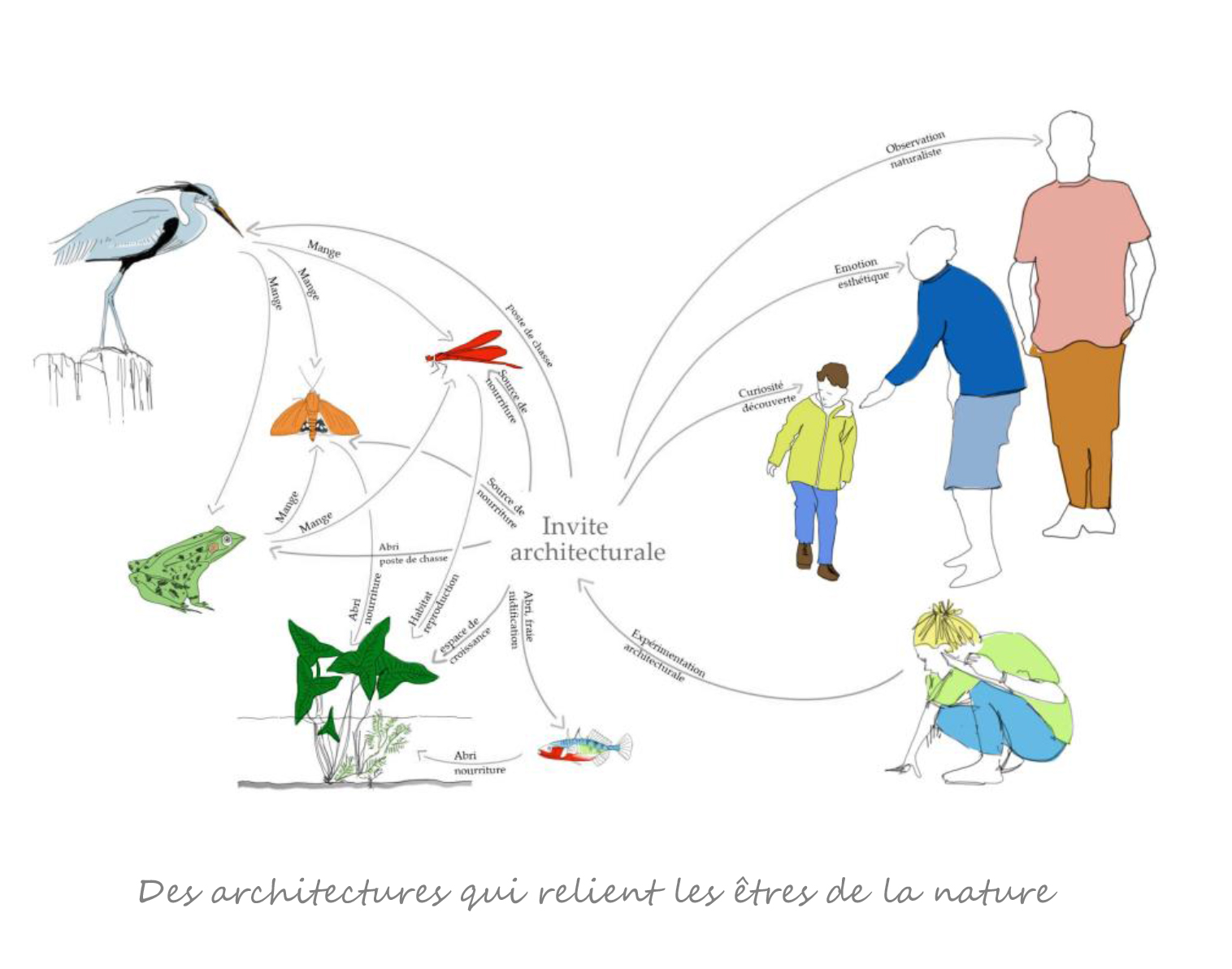
After carrying out a diagnosis of the socio-ecosystem of the tropical agronomy garden, crossing various disciplines including history, architecture and ecology, each student chose a living being to which he or she addressed an architectural invitation. The device, which can be a shelter, a feeding ground or a place of predation, is designed according to a specific Umwelt, i.e., as the biologist Jacob Von Uexküll understood it, according to the sensory, perceptive and motor capacities of the targeted species.
Architecture usually links human beings together, in public buildings, workplaces or homes. Now, in the face of environmental urgency, it has set itself a new goal: to be welcoming to biodiversity. So that the act of building is no longer synonymous with the destruction of living things, but rather with cohabitation and mutual aid, we need to experiment with new approaches aimed at linking living beings, both human and non-human. If we want our human habitats to be viable, resilient environments, we need to ensure that, in the future, both our cities and our buildings are able to support functioning ecosystems.
Les invites architecturales” is a program of architectural education and research designed to train tomorrow’s architects in these new challenges.