Jeremy Till, architect: It depends. The contingencies of architecture
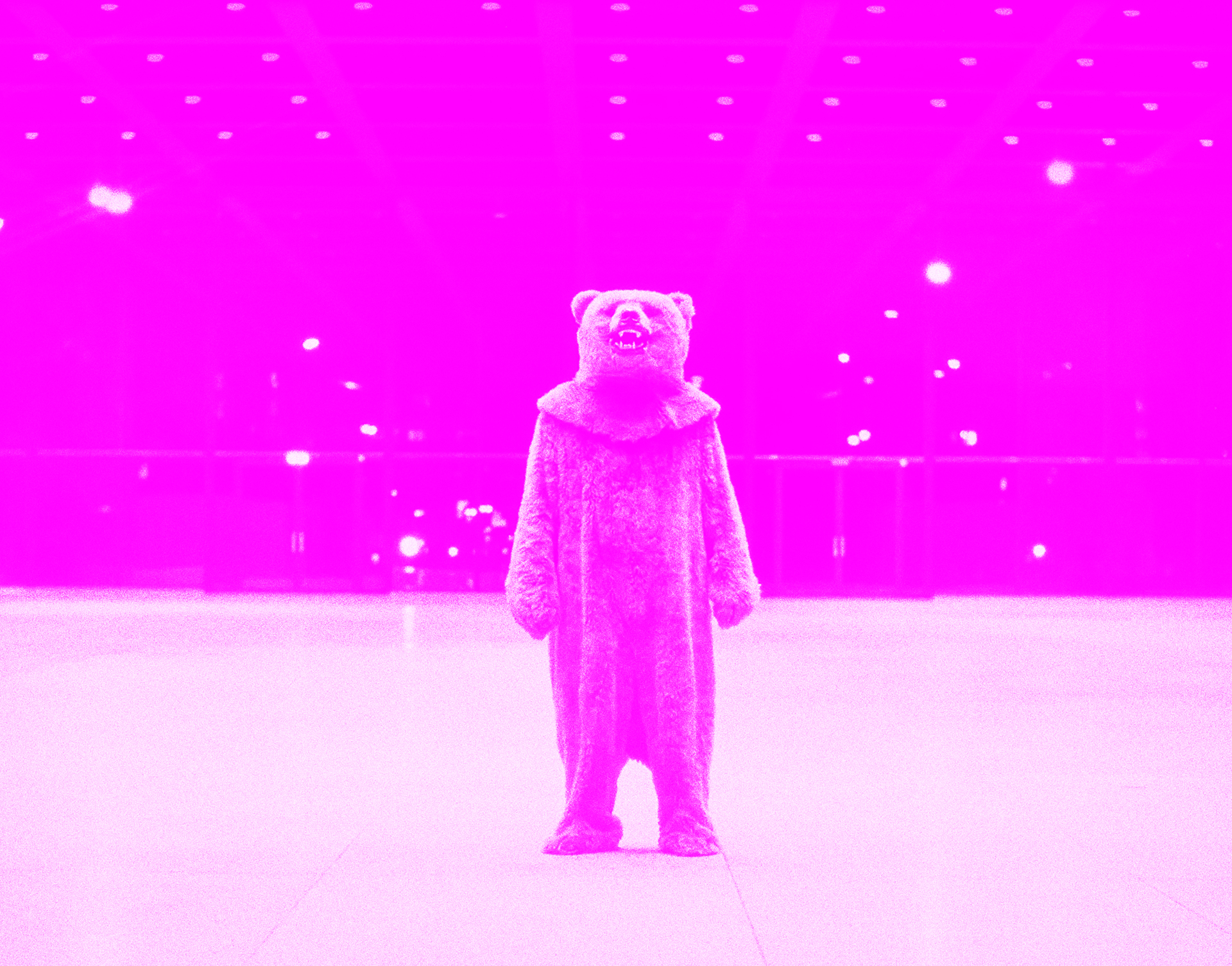
Sleeper, Mark Wallinger, 2005. Courtesy of the artist and Galerie Carlier/Gebauer, Berlin/Madrid – © Javier Callejas
Back-to-school conference for the “Designing and Building Architecture” field of study
What does architecture depend on? People, times, politics, economics, ethics, disorder… In short, reality in all its unpredictable complexity and irreducible uncertainty. Jeremy Till invites architects to take greater account of these contingencies, which exceed their sphere of control but always end up imposing themselves on their works. With rigor and irony, he deconstructs step by step the autonomy that architects confer on their discipline, and which maintains them in a pure and ideal vision of the objects they design. The key, he believes, to producing more useful, more humane architecture, but above all to hoping to transform the world.
Biographical highlights
Jeremy Till, a self-styled “recovering architect”, is a teacher and researcher in architectural theory. After teaching at Kingston Polytechnic (1986-1990), the Bartlett School of Architecture (1990-1999) and the University of Sheffield (1999-2008), he was Director of Central Saint Martins, and Vice-Chancellor of the University of the Arts London (2012-2022). Until 2002, he was associated with the architect Sarah Wigglesworth, with whom he notably designed the famous studio house at 9 Stock Orchard Street in London, and curated the British pavilion at the Venice Architecture Biennale in 2006 and the Shenzhen Biennale in 2013. His numerous publications include Flexible Housing (with Tatjana Schneider, 2007), and Spatial Agency: Other Ways of Doing Architecture (with Nishat Awan and Tatjana Schneider, 2011) – both of which, like Architecture Depends (2009), have been honored with the RIBA Research Award. Now a professor emeritus and free spirit, he publishes articles on spatial practices, climate and hope on his blog.
Conference in English, led by teachers Pierre Chabard and Brent Patterson
Free admission, subject to availability
The video recording of the conference can be viewed below and on the school’s YouTube channel.
Event
 The
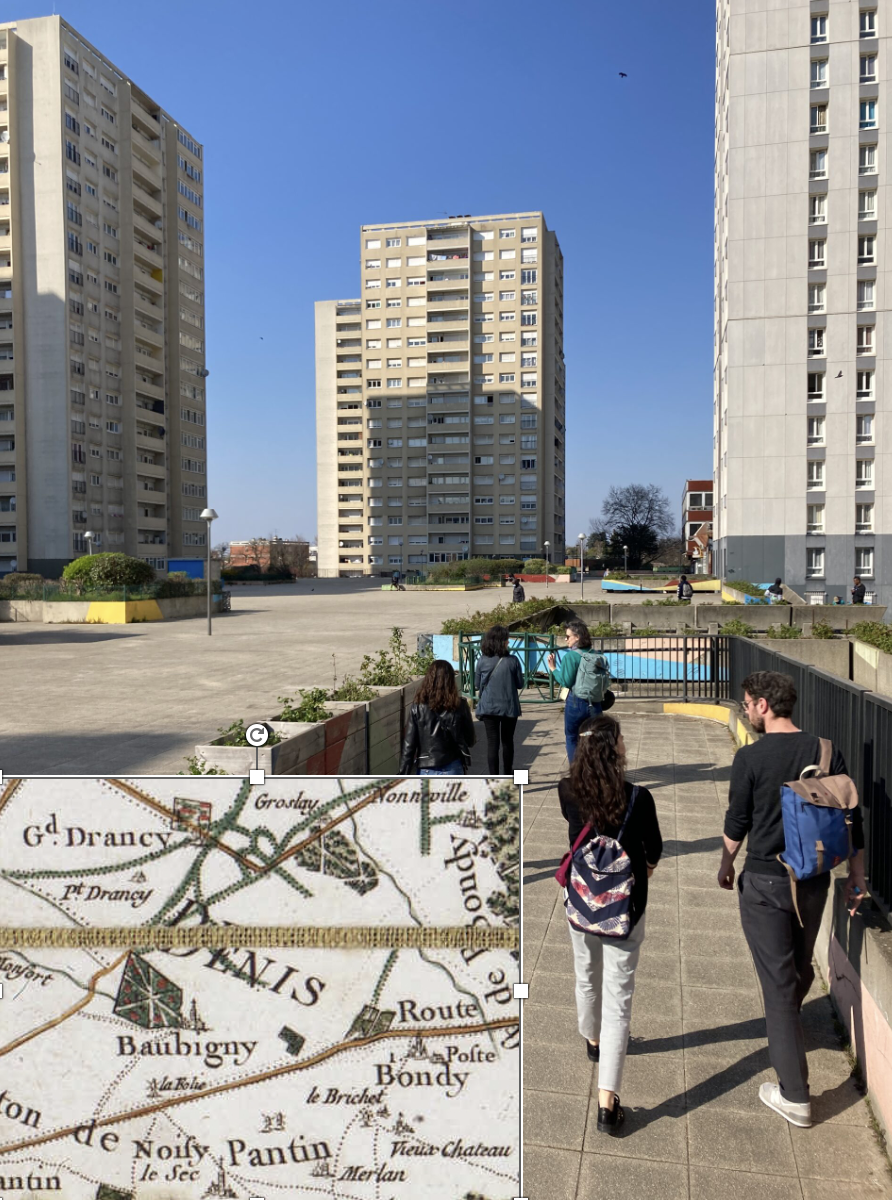
TheBruno Mengoli: "The existing city and heritage planning regulations: matters for history, matters for projects?"
 The
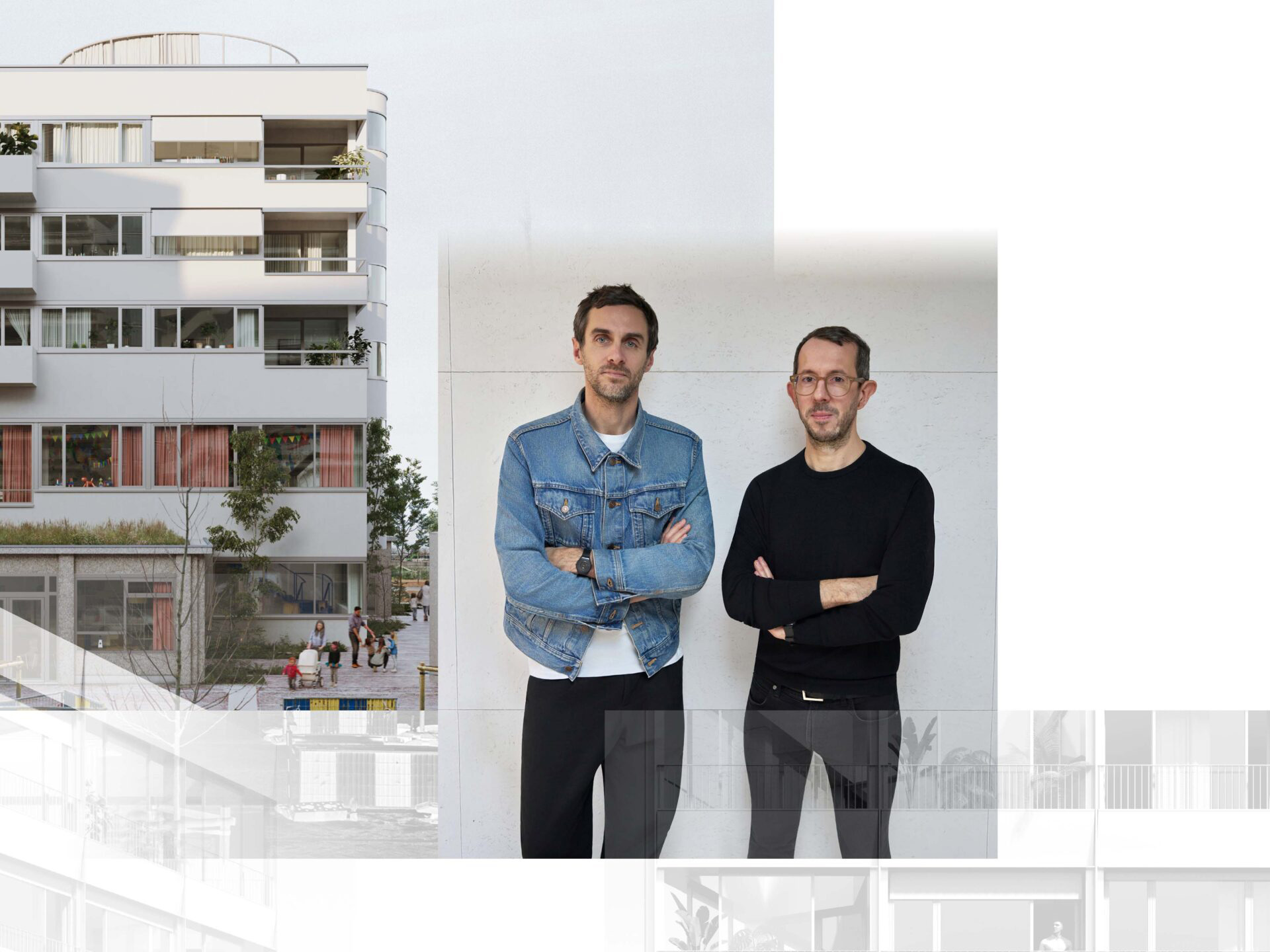
TheCycle "Living in the city and its transitions" #2: agence Barrault & Pressacco
 The
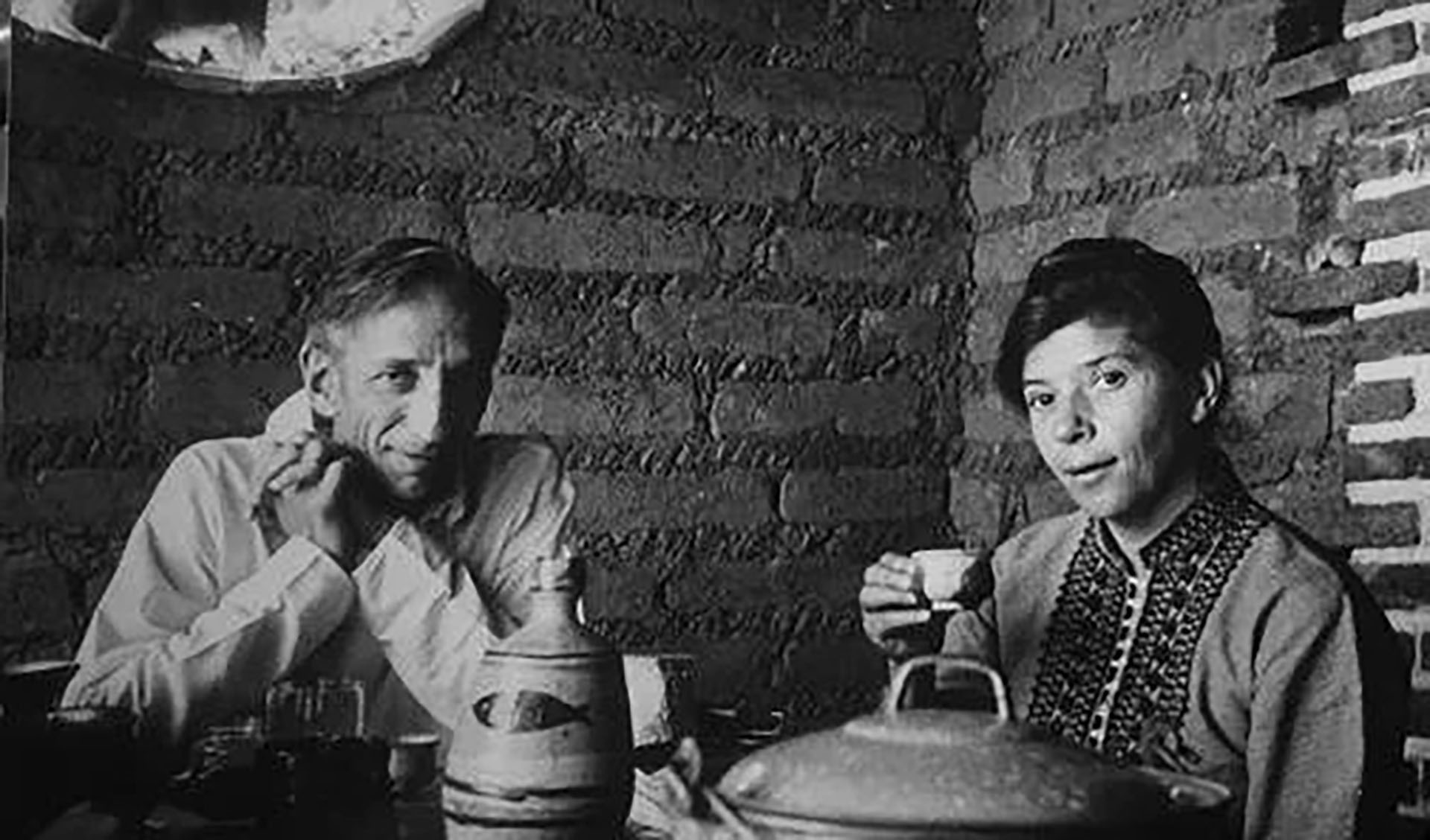
TheCéline Marty: "Thinking technocritical architecture with André Gorz and Ivan Illich: back to raw earth and low-tech energies?"
 fromto
Tremblements du monde - series of lectures organized by ENSA Clermont-Ferrand
 The
TheYui and Takaharu Tezuka, architects : Inclusion and diversity
 The
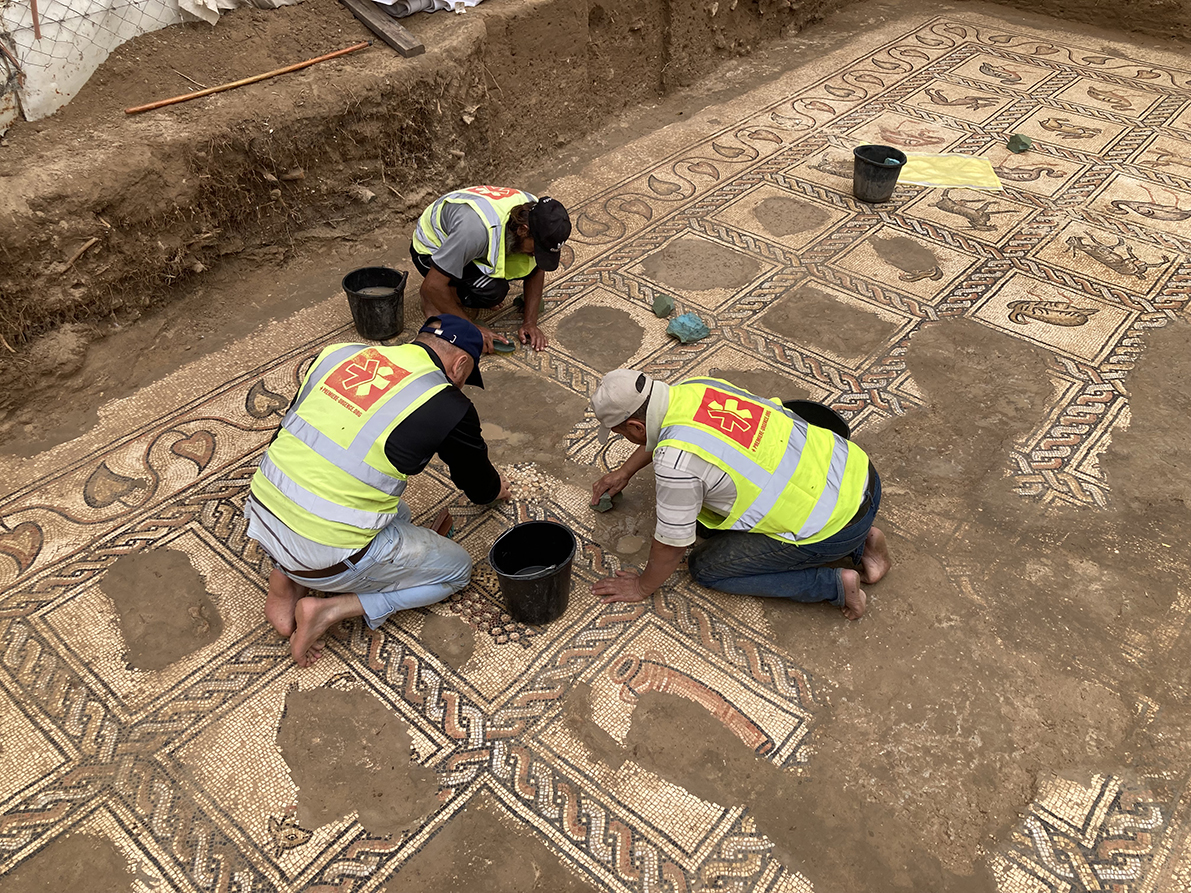
TheGaza: how to save and pass on an endangered heritage, the Intiqal Initiative