Sabine Barles, Grand Prix de l'urbanisme 2025: Urban metabolism and the making of the city
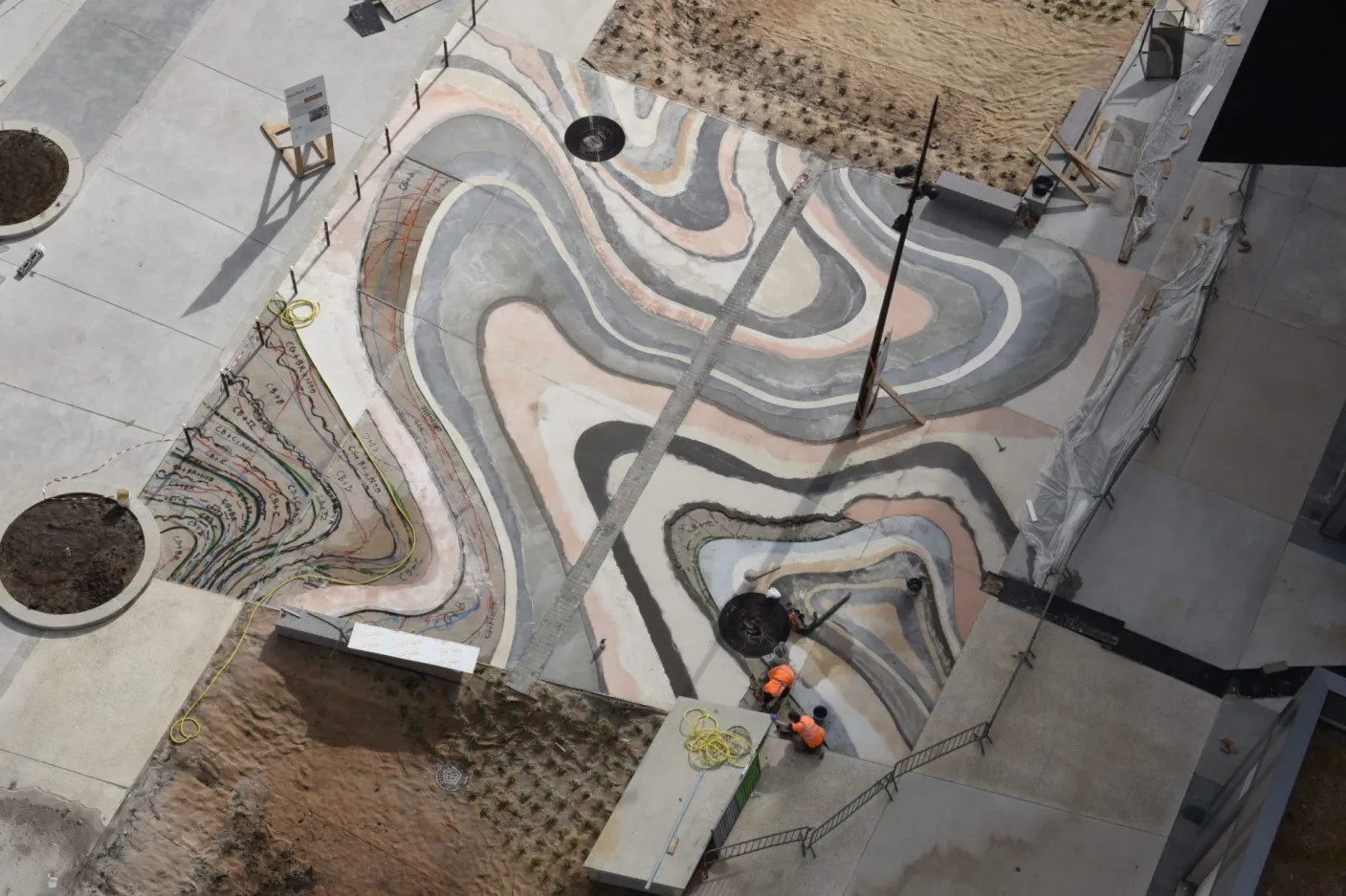
© Stephan Shankland
Lecture open to all, part of the Semester 6 lecture series on “The urban project: a paradigm shift?
The concept of “urban metabolism” allows us to imagine “what lies behind” the functioning/development of a city or territory in terms of flows and stocks of energy and materials: this flow and stock approach complements the space approach.
The conference will provide keys to understanding :
- a better understanding of the environmental impact of the act of building/development, with scientific data on current resource consumption;
- Identify the major issues associated with the flows and stocks of energy and materials that underpin urban life and the making of the city;
- finally, to discover concrete examples of architectural and urban projects that are part of an alternative metabolic approach to the dominant model, more sober, more circular, closer.
Biographical details
Sabine Barles is a professor at the University of Paris 1 Panthéon-Sorbonne.
” Trained in civil engineering, then in urban planning and the history of techniques, Sabine Barles is currently Professor of Urban Planning and Development at the Université Paris 1 Panthéon-Sorbonne and a member of the UMR Géographie-Cités. Her interdisciplinary research focuses on the materiality of cities and their relationships with the territories and environments on which they depend or which depend on them. This materiality is examined in its historical, contemporary and prospective dimensions.
[Excerpts from her biography on geographie-cites.cnrs.fr]
Event
 The
TheCycle "Living in the city and its transitions" #2: agence Barrault & Pressacco
 The
TheLes midis des livres: A talk on architectural criticism
 The
TheRamona Abdallah: "Making participatory design work
 The
TheCéline Marty: "Thinking technocritical architecture with André Gorz and Ivan Illich: back to raw earth and low-tech energies?"
 fromto
Tremblements du monde - series of lectures organized by ENSA Clermont-Ferrand
 The
TheBruno Mengoli: "The existing city and heritage planning regulations: matters for history, matters for projects?"