Yui and Takaharu Tezuka, architects : Inclusion and diversity
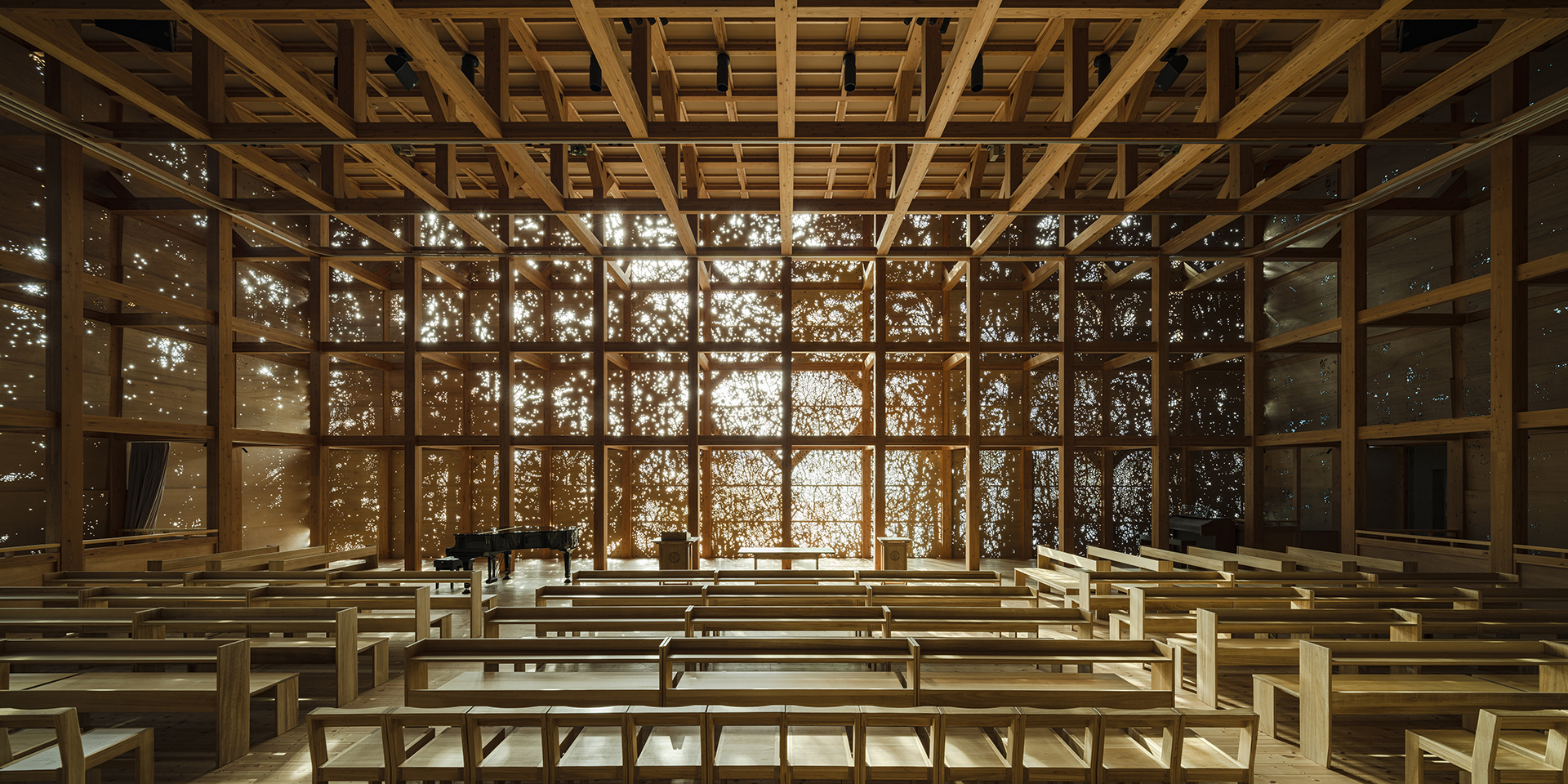
Niijima Forest – Niijima Gakuen Junior College Hall & Chapel – © Design by Takaharu + Yui Tezuka + Keiji Yabe / TEZUKA ARCHITECTS - Photo by Katsuhisa Kida/FOTOTECA
To mark the visit of a delegation from its Japanese partner universities – University of Tokyo, Meiji University, Chiba University, Tokyo City University, Institute of Science Tokyo, Kyoto University, Kyushu University – ENSA Paris-la Villette is organizing a series of events from March 2 to 16.
This lecture by the Tezuka architectural couple, part of the Entretiens de Chaillot cycle organized by the Cité de l’architecture et du patrimoine, is part of the program supported by Erasmus+.
Takaharu and Yui Tezuka are internationally known for their school buildings, which have played a pivotal role in redefining the relationship between architecture, education, and human experience. Fuji Kindergarten , in particular, opened a new chapter in progressive education by demonstrating that learning does not happen only inside classrooms, but through the body, movement, and continuous interaction with the environment. Its iconic oval form has been widely recognized for more than two decades as a radical yet gentle proposal for how children and architecture can grow together.
Their TED Talk, ranked among the six most-viewed TED Talks worldwide, brought this philosophy to a global audience, emphasizing that architecture is not about control or comfort, but about learning how to live within uncertainty, diversity, and shared risk.
More recently, they completed a new school without walls in Dubai, challenging conventional notions of boundaries, safety, and enclosure.
Yet their exploration continues beyond education, extending into ecosystems and social structures. New projects currently underway in Portugal and India explore architecture as a framework for regeneration, integrating agroforestry with social reconstruction and community life.
For the Tezukas, architecture is not an object to be consumed, but an event that unfolds over time—shaped by climate, human behavior, memory, and care. This lecture will reveal new perspectives on how architecture can act as a living mediator between people, society, and the natural world, and how inclusiveness and diversity can be embodied not as slogans, but as spatial experience.
Our partners


Event
 The
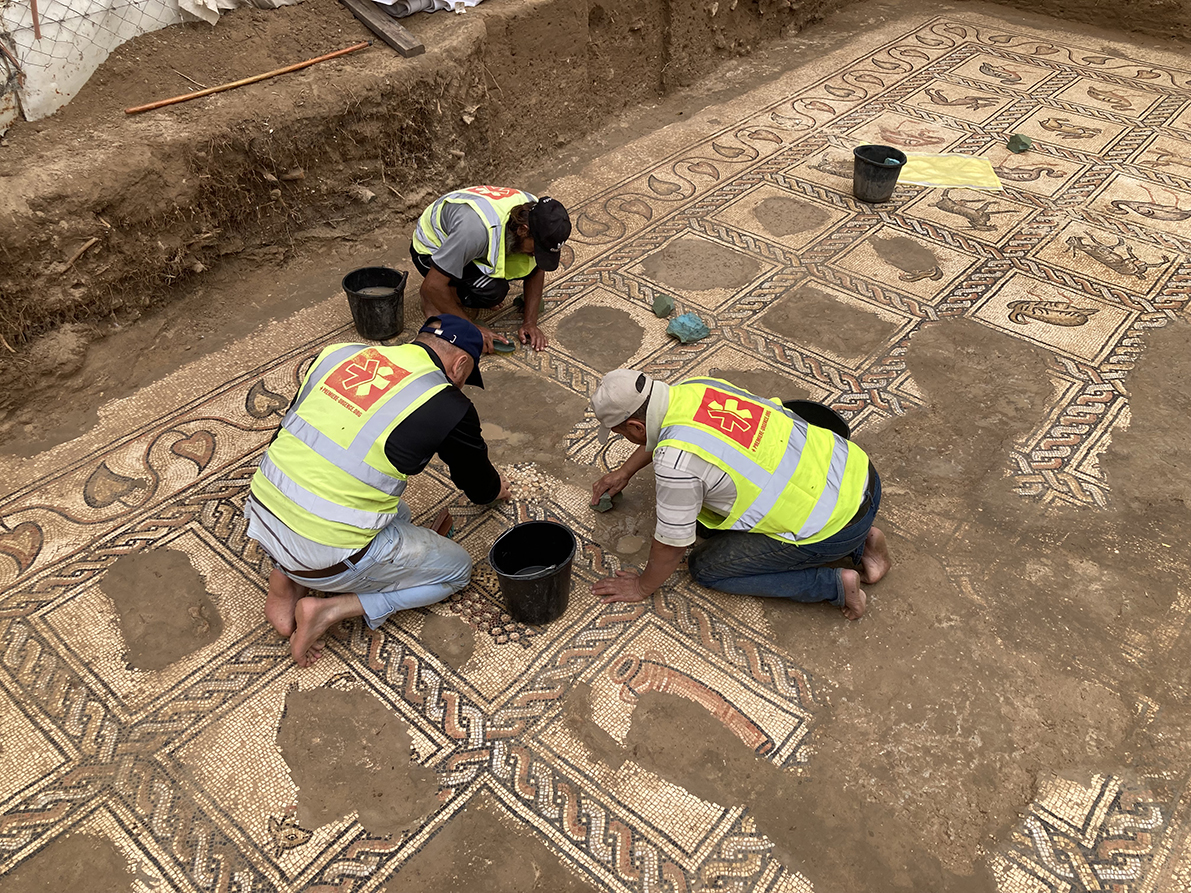
TheGaza: how to save and pass on an endangered heritage, the Intiqal Initiative
 fromto
germe&JAM: City design, text and contexts
 fromto
Échelle Un Festival: the meeting place for architecture gas pedals
 fromto
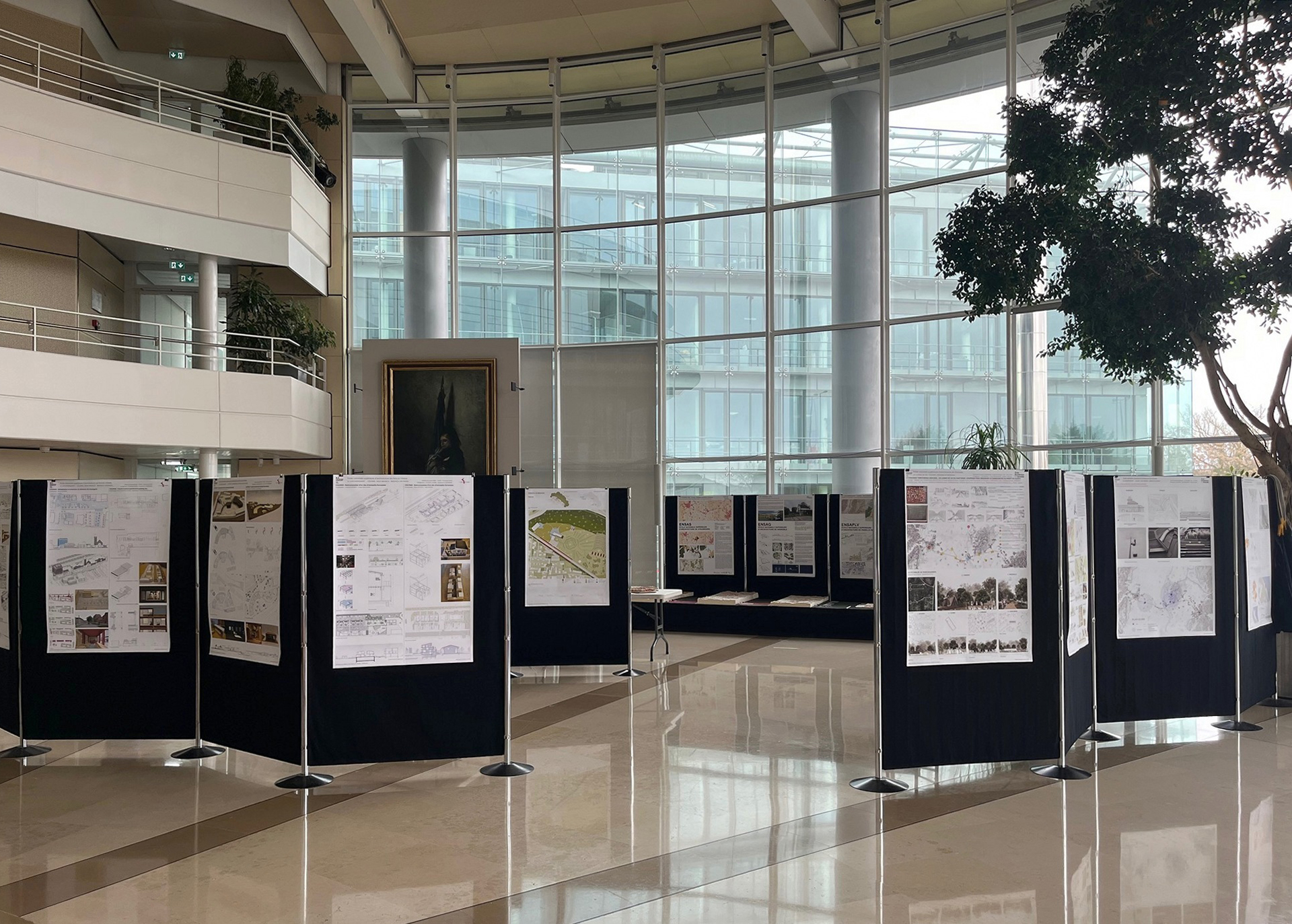
Tremblements du monde - series of lectures organized by ENSA Clermont-Ferrand
 fromto
The missing link - a new railroad line between Colmar and Freiburg im Breisgau
 fromto
11th Rencontres étudiantes de l'enseignement supérieur en architecture et paysage (REESAP)