2025 Architectural Hopefuls Competition
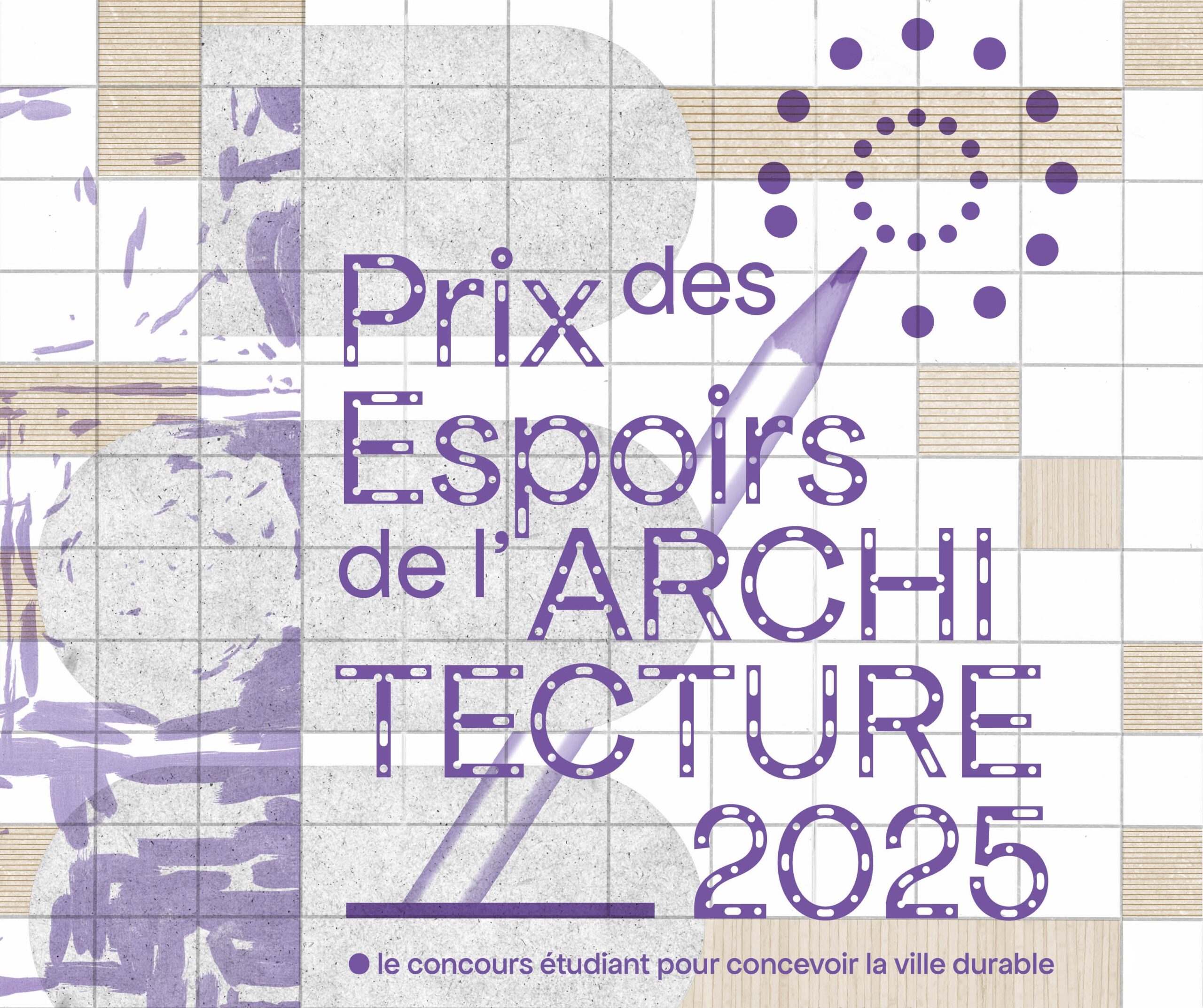
Entries: from 15/10 to 17/11/2025
Kick-off meeting: 20/11/2025
Subject 2025: ADAPTATION AND MITIGATION: ANTICIPATING AND ACTING IN THE FACE OF CLIMATE CHANGE
This competition, organized each year by BNP PARIBAS REAL ESTATE since 2008, aims to: ▪ Combine its sponsorship activities in favor of architecture and the young talents of tomorrow with a support initiative aimed at young people. ▪ Encourage architecture students to reflect on and raise awareness of current architectural issues, particularly in terms of sustainable development. ▪ Promote synergies between these students and professionals in the sector (outside the classroom).
Climate change is an indisputable reality. Scientific studies predict that France could experience an average rise of +2.7°C by 2050*, transforming its temperate climate into a subtropical one. In both urban and suburban areas, our cities, increasingly mineralized and exposed, will have to cope with extreme temperatures, heat waves, natural disasters, droughts and intense rainfall
.
Against this backdrop, the real estate sector faces a major challenge: adapting to unstable climatic conditions and protecting residents and users.
It’s not just a question of reducing our carbon footprint, but also of adapting existing buildings and neighborhoods to these upheavals, in a coherent approach where adaptation and mitigation go hand in hand.
In addition to technical adaptation, we also need to support changes in behavior. Intensifying uses, sharing spaces differently, imagining places that are more sober and flexible: architecture is becoming a lever for cultural and social transformation as much as for climate change.
This year’s competition invites students to focus on vacant commercial buildings (nearly 9 million m² of office space are currently empty in France, 2 million of which are considered wastelands). These buildings, located in a variety of urban and suburban contexts, provide an ideal testing ground for rethinking the city and its uses. Participants will be asked to select a vacant commercial property and propose a transformation adapted to the climatic risks specific to its location in France. Heatwaves, floods, drought, or any other relevant hazard: each project will have to propose adaptation and mitigation solutions.
News
ATTENTION: HMONP 2026–2027 – Online pre-registration for external ADEs has been postponed
Due to a technical issue, pre-registration for external state-certified architects (ADE) (excluding ENSAPLV) has been postponed.
Originally scheduled for June 24 and 25, 2026, pre-registration will now take place from 9:00 a.m. on July 1, 2026, to 5:00 p.m. on July 2, 2026.Please accept our apologies for this inconvenience.
Architectes diplômés d’État (ADE) external to the school :
- Pre-registration period: July 1 at 9:00 a.m. through July 2 at 5:00 p.m.
- Pre-registration constitutes a waiting list for final registration.
- Application deadline: October 15, 2026
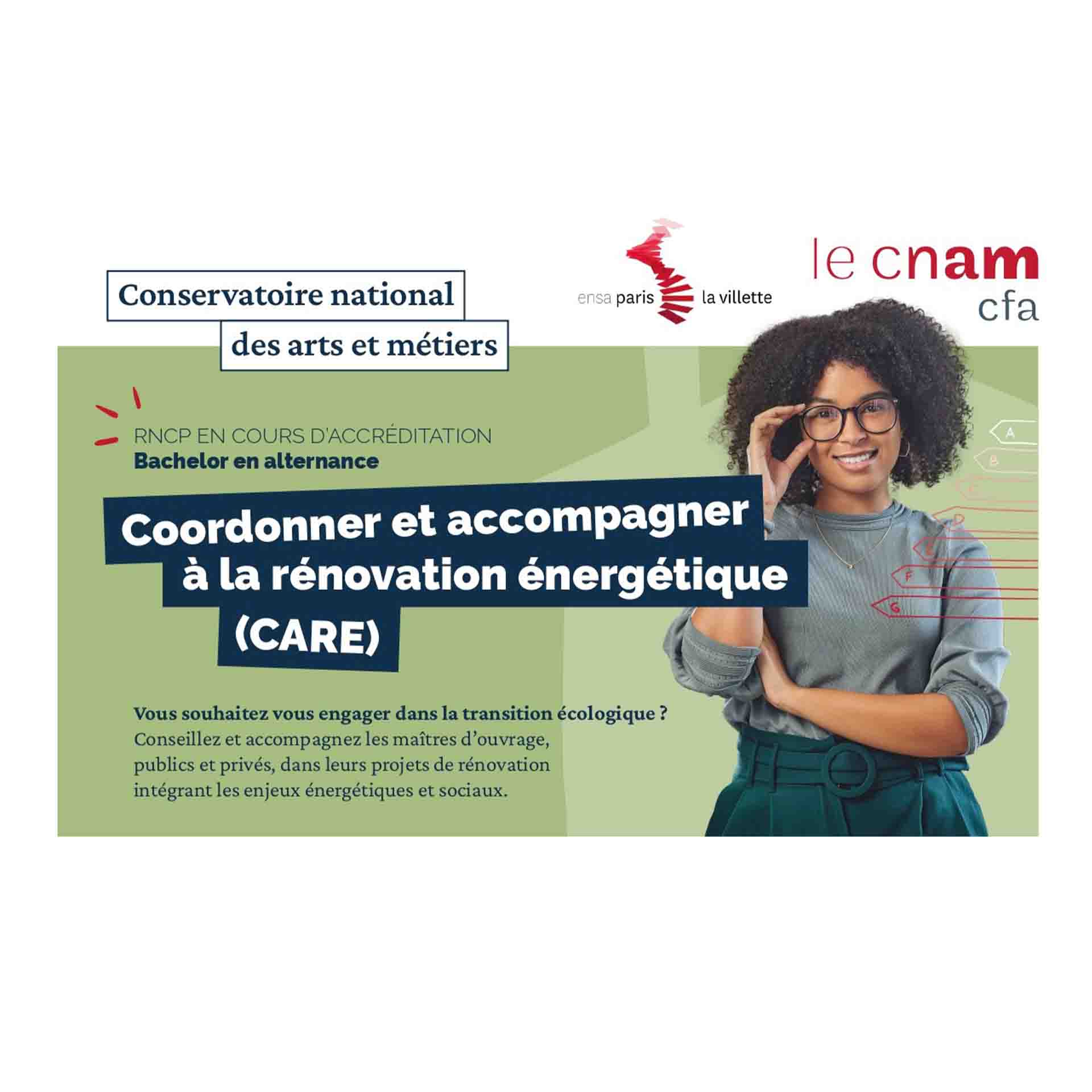
Launch of a new bachelor's-level apprenticeship program in building rehabilitation for the 2026 academic year
ENSA Paris-la Villette and the CFA at the Conservatoire national des arts et métiers (CNAM) are offering a new program starting in the 2026 academic year: the CARE Bachelor’s Degree—Coordinating and Supporting Energy-Efficiency Renovations.

Créart'UP 2026-2027
Application deadline: 01/07/2026
Run by the Maison étudiante de la Ville de Paris, Créart’UP provides annual support for students and recent graduates (less than two years old) from Paris and the Île-de-France region wishing to develop an artistic or cultural project and gain professional experience in the arts and culture sector.
Eligible fields are: music, theater, dance, visual arts, audiovisual, design, fashion, performance, digital cultural projects, and more broadly all innovative artistic and cultural projects.
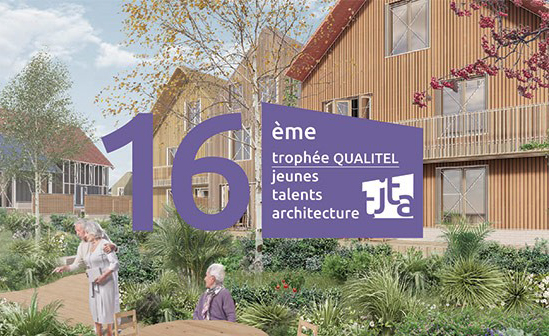
Trophée Qualitel Jeunes Talents Architecture 2026
Application deadline: 04/09/2026
Organized every year since 2010 by the QUALITEL Association, this competition rewards a housing construction or renovation project devised by architecture students during their studies, focusing in particular on quality of use, environmental performance and innovation.

Jacques Rougerie Foundation International Architecture and Innovation Competition 2026 - Académie des beaux-arts
Application deadline: 24/09/2026
Each year, this competition rewards architects, designers, engineers, artists and urban planners from all over the world who imagine bold and disruptive current or future architectural projects focusing on submersible land, sea and space, in order to build tomorrow’s new sustainable living environments at national and international level.
The competition is free and open to students and professionals from all over the world.

Join the Research in Architecture post-master's program at the start of the new academic year
Are you thinking of doing a thesis?
Give yourself the opportunity to spend an extra year in a post-master’s program to confirm your choice and get acculturated to the world of architectural research with a first experience in a research team!
This course is aimed at architects who have graduated in France or abroad, and hold a university master’s degree or equivalent in spatial issues, as well as master’s students (architecture or other) subject to obtaining their current degree.
