Information on admission orals for first-time applicants via Parcoursup 2026 (excluding bi-courses)

The second phase of admission to ENSA Paris-la Villette is now open.
Invitations to selection interviews to join the school for the start of the 2026-2027 academic year have been sent out exclusively via the Parcoursup platform. To find out if they have been invited, applicants are invited to consult their space in Parcoursup.
The orals will be held over several days, between May 6 and 12, 2026.
Key terms and conditions :
- The interview lasts 20 minutes.
- Each jury is made up of a pair of teachers and graduates of ENSA Paris-la Villette.
- The oral examination is divided into two parts: presentation by the candidate and discussion with the jury (10 min), followed by an oral commentary on an image of the candidate’s choice, selected from a panel of images proposed by the jury (10 min).
- Candidates are not required to submit any personal documents, and no portfolio will be examined.
- The interview is marked out of 20. This mark represents 70% of the final mark awarded to the candidate (the remaining 30% corresponds to the mark awarded to the application file).
ENSA Paris-la Villette has reorganized its admissions procedure for 2026, with the aim of providing a more level playing field for all applicants:
- Significant increase in the number of candidates ranked and invited to the oral, from 640 last year to 1,200.
- Admissions interviews are conducted exclusively via video, with Saturday and evening slots available. This eliminates the need for candidates to travel, which can be time-consuming and costly. It’s also easier for them to take part in several interviews at different establishments.
- School alumni invited to take part in selection juries: 149 alumni responded positively to this invitation, of which 107 were finally mobilized.
ENSA Paris-la Villette is offering 160 places for 2026-2027, up from 153 last year.
News

Enroll in the post-master's program in Architectural Research this fall
The second application period ends on September 14, 2026.
Are you considering pursuing a dissertation?
Give yourself the opportunity to spend an additional year in a post-master’s program to solidify your choice and familiarize yourself with the world of architectural research through your first experience working within a research team!
This program is open to architects with degrees from France or abroad who hold a master’s degree or equivalent qualification in spatial studies, as well as master’s students (in architecture or other fields) provided they are on track to complete their degree.
Start of the 2026–2027 Academic Year
Are you a freshman or an upperclassman, an incoming international exchange student, or a new faculty member…?
Find the key dates for the 2026–2027 academic year here!

Key Economic Indicators for the Architecture Industry
The Architecture Economy Observatory, a collaborative body launched in 2021 by the Ministry of Culture that brings together stakeholders in the profession, has published the “Key Figures on the Architecture Economy” for the first time.
The observatory’s work is part of the National Strategy for Architecture 2025–2029, one of whose measures aims to expand knowledge of the architectural economy in all its dimensions.
Apprenticeship Tax 2026
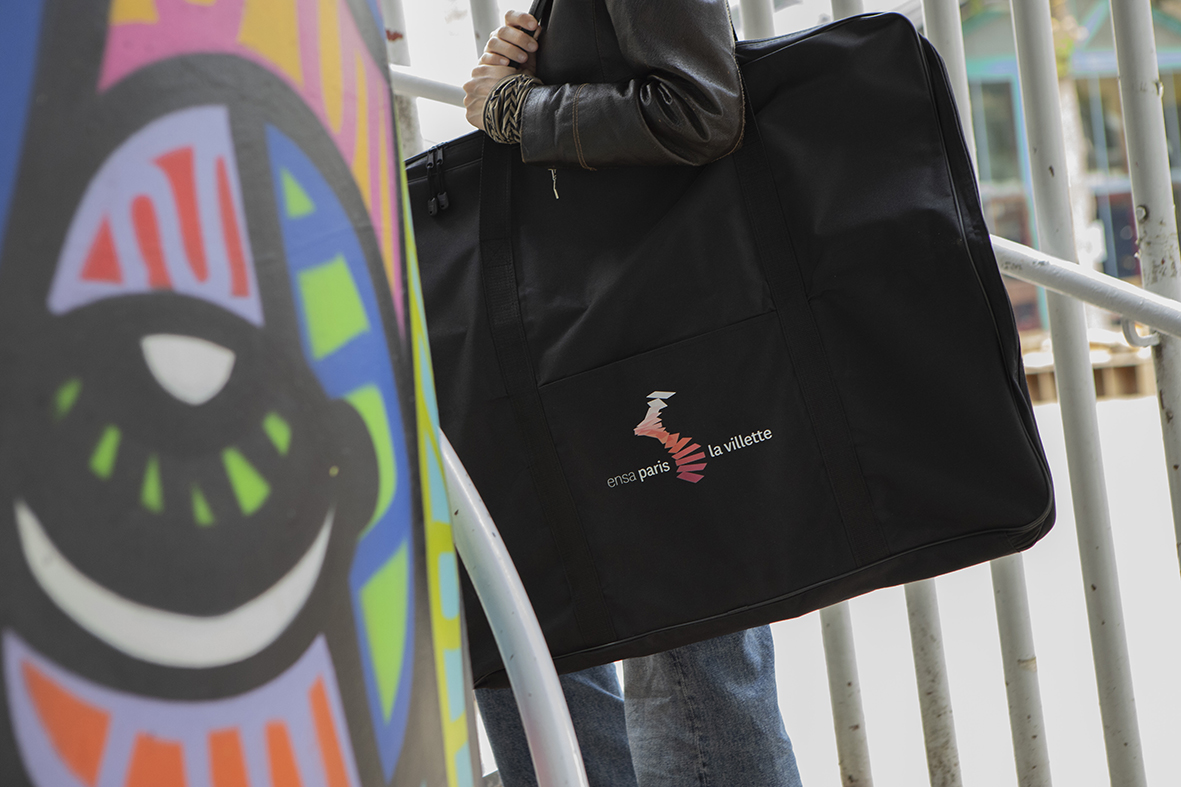
You have until October 21, 2026, to support the students at our school.By allocating your apprenticeship tax payment to ENSA Paris-la Villette, you will be making a tangible contribution to the funding of three initiatives:- in 1st year: each student receives a back-to-school kit consisting of an artist’s bag, several squares and rulers, a notebook, a drawing board and a pencil. This basic equipment is useful from the very first week and throughout their studies.
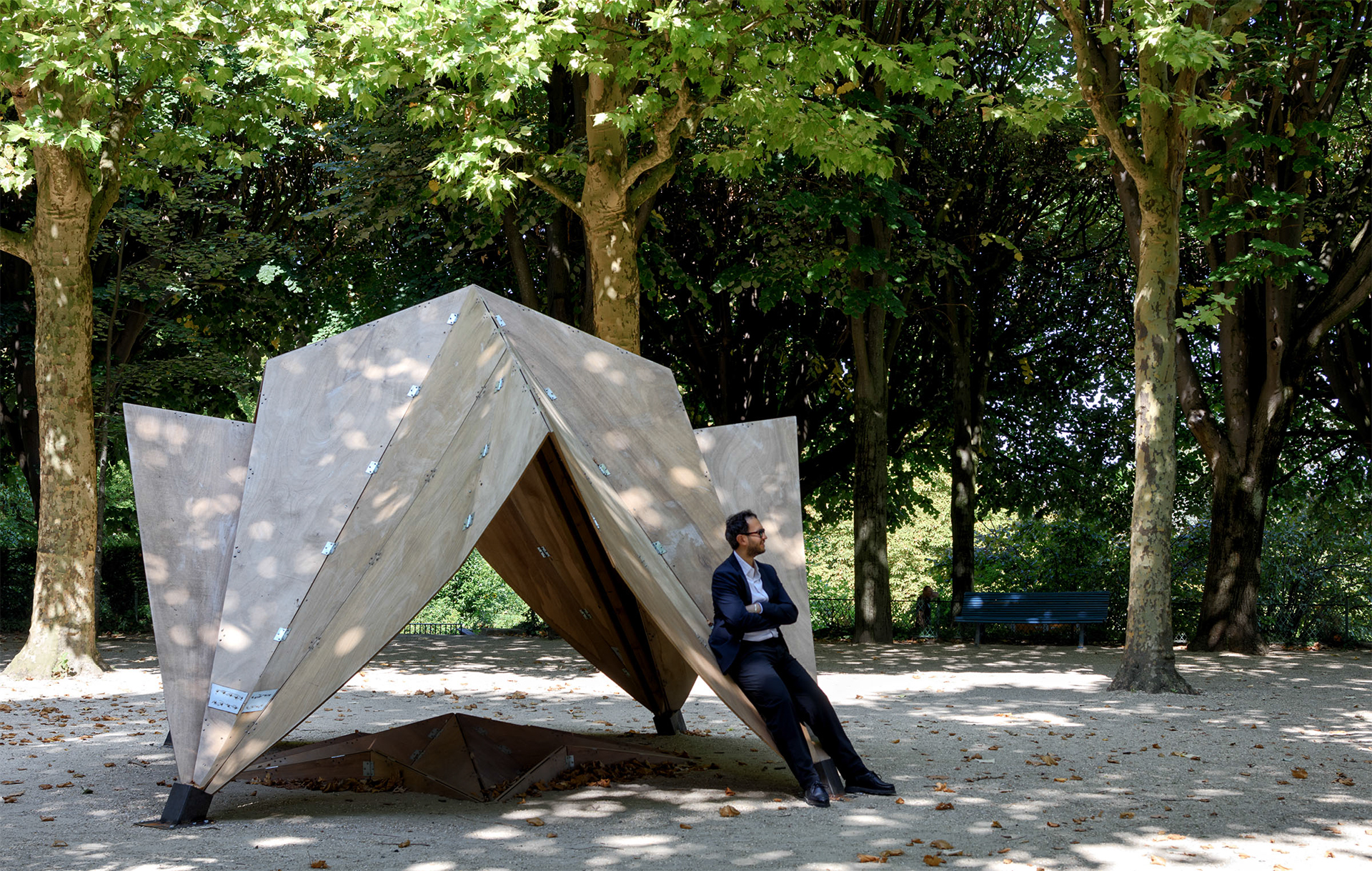
- in 3rd year: the study trip organized by the TPCAU and STA disciplines to a European destination, which aims to to bring together lessons in design and construction. Through visits and analysis of benchmark housing projects, students acquire the knowledge and skills essential to their future profession.
- From the L1 to the M2: the purchase of materials (wood, cardboard, clay, straw, canvas, steel, etc.) to create objects designed as part of construction and computer science courses, as well as interdisciplinary educational experiments organized as intensive workshops. During practical exercises—ranging from the creation of models or prototypes to full-scale projects—students explore the fundamental principles of statics and material strength, and learn to master modeling tools and structural analysis.
Thank you for choosing ENSA Paris-la Villette!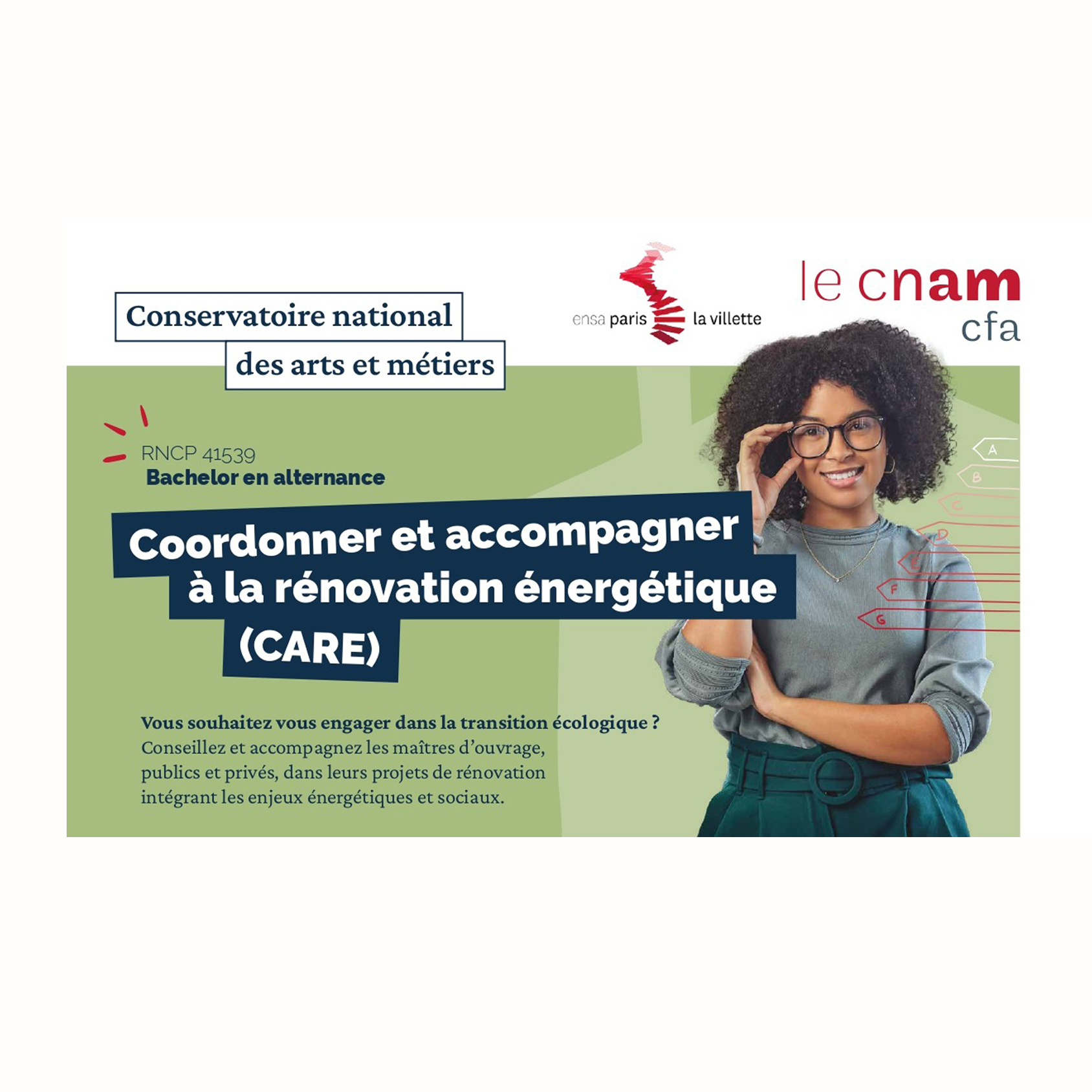
Launch of a new bachelor's-level apprenticeship program in building rehabilitation for the 2026 academic year
ENSA Paris-la Villette and the CFA at the Conservatoire national des arts et métiers (CNAM) are offering a new program starting in the 2026 academic year: the CARE Bachelor’s Degree—Coordinating and Supporting Energy-Efficiency Renovations.
ATTENTION: HMONP 2026–2027 – Online pre-registration for external ADEs has been postponed
Due to a technical issue, pre-registration for external state-certified architects (ADE) (excluding ENSAPLV) has been postponed.
Originally scheduled for June 24 and 25, 2026, pre-registration will now take place from 9:00 a.m. on July 1, 2026, to 5:00 p.m. on July 2, 2026.Please accept our apologies for this inconvenience.
Architectes diplômés d’État (ADE) external to the school :
- Pre-registration period: July 1 at 9:00 a.m. through July 2 at 5:00 p.m.
- Pre-registration constitutes a waiting list for final registration.
- Application deadline: October 15, 2026