Philippe Bonnin: The Unusual Journey of an Architect-Researcher

© DR
Each year, a renowned researcher is invited to symbolically kick off the academic year, setting the stage for the collective and individual work of the post-master’s program in Architectural Research.
A question is posed for this inaugural lecture: What does it mean to conduct research on architecture, the city, and the territory?
For the 2026–2027 academic year, the program’s faculty, composed of members from ENSAPLV’s six research teams, invited Philippe Bonnin to speak on this topic:
“This is one such journey that I will summarize here, taking us through a variety of regions one would never imagine were connected: children’s playhouses, vernacular dwellings, self-managed housing communities, domestic production, the architecture of Japanese houses and gardens, and, more broadly, Japanese spatiality and its thresholds, etc.”
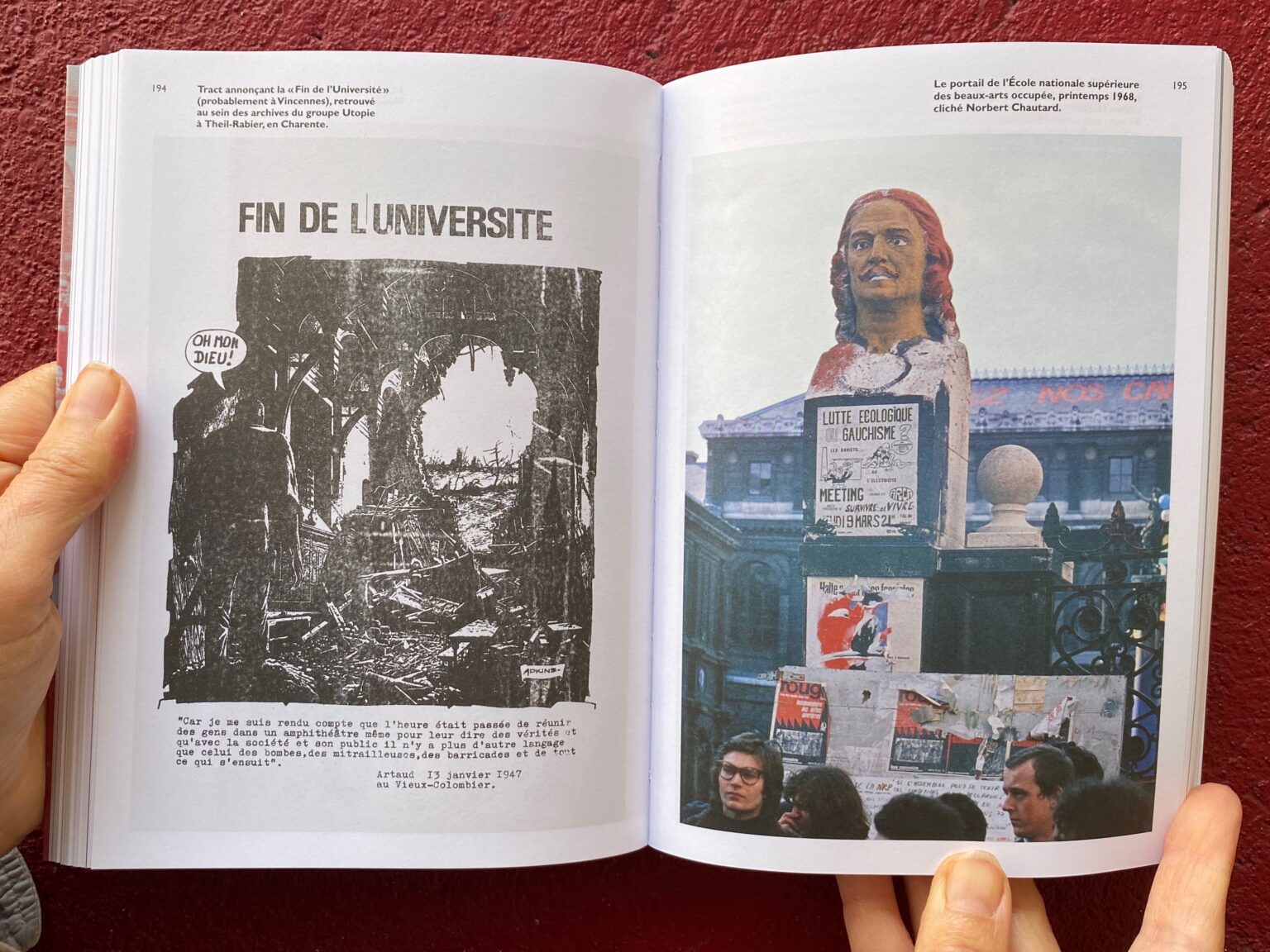
However, 60 years ago, there was no scientific research in architecture, no instruction in the humanities and social sciences (HSS), no such exam on the entrance exam for the architecture program at the École nationale supérieure des Beaux-Arts, and no ministerial body to organize it. But a few visionaries took the plunge anyway. ”
Biographical Notes
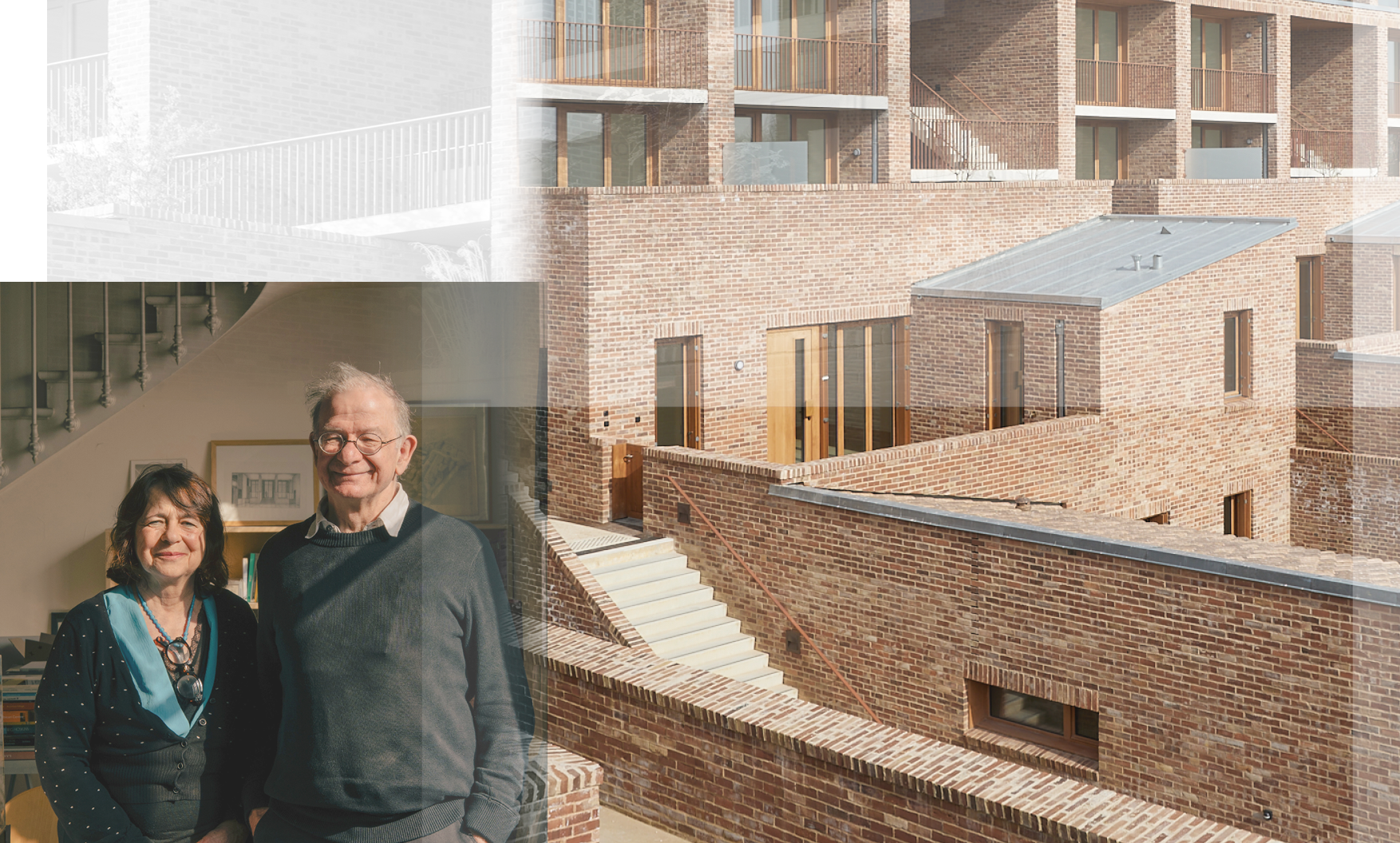
Philippe Bonnin is an architect (b. 1972), anthropologist, and Research Director Emeritus at the CNRS. He studied at the École nationale supérieure des Beaux-Arts in Toulouse and later in Paris. He joined Paul-Henri Chombart de Lauwe’s laboratory (EHESS and CNRS), where he conducted extensive research and produced numerous films, books, and articles on housing and the city. Beginning in 1980, he collaborated with Professor Adachi Fujio at Hokkaido University.He laterworked with Professor Nishida Masatsuguon Japanese spatiality, the threshold, and the concept of “Kekkai,”as well as on Japanese gardens (Katsura). As a resident at Villa Kujoyama and a visiting professor at Niigata University, he led a team for one year at Nichibunken.
Free admission, subject to availability