Test Bench(es) 2026: End of the Incubation Year
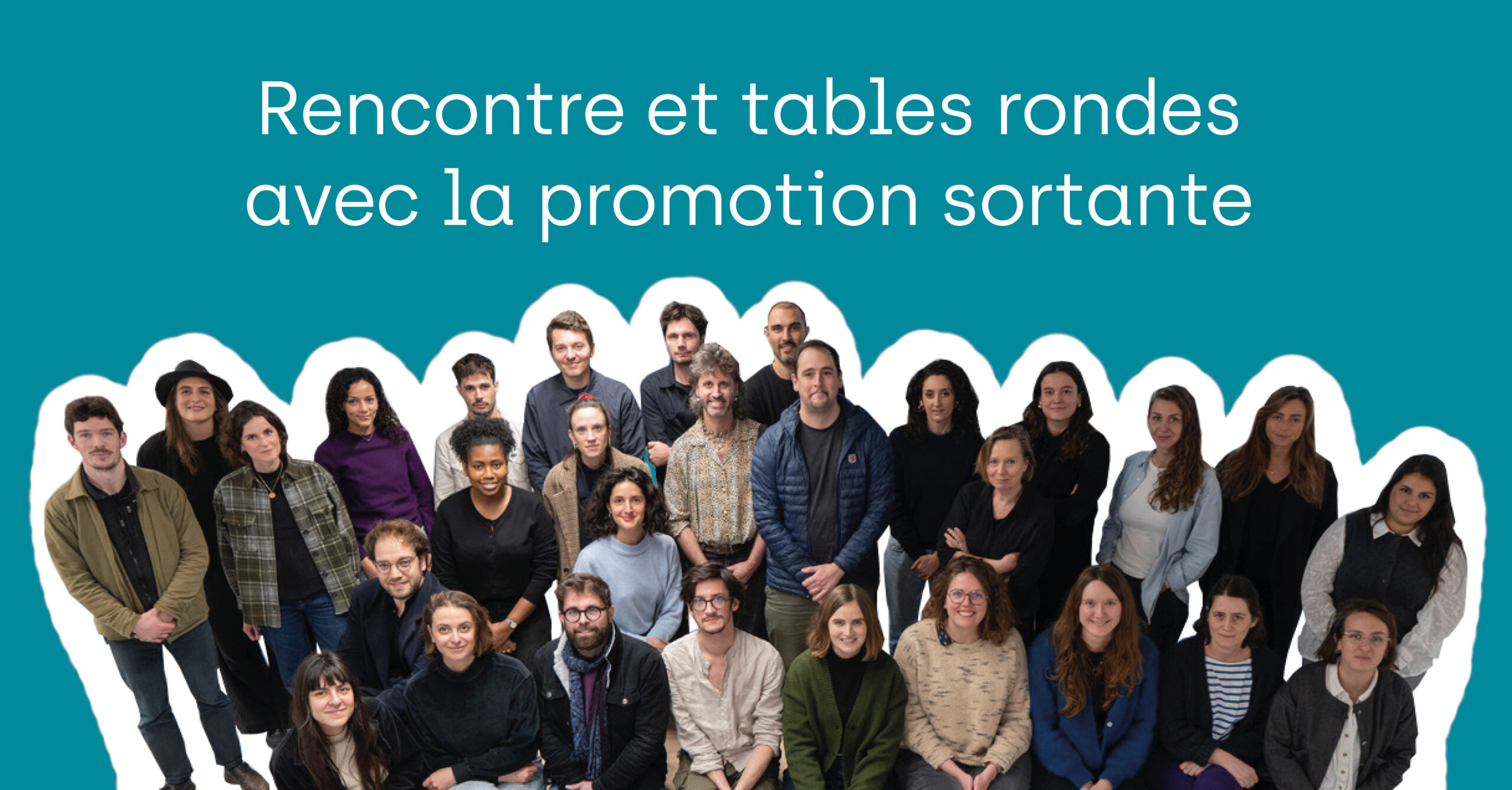
The young architects and entrepreneurs of the Class of 2026 – © Bruno Weiss / ENSAPLV
Three sessions of discussion on professional practice between young architect-entrepreneurs from the second cohort of Banc d’Essai(s)—the incubator created in 2025 by ENSAPLV—and their guests from the urban development sector.
The evening will continue with a social gathering featuring the classes of 2025 and 2026, the faculty, guest speakers, and the incubator’s partners. This is the perfect opportunity for interested applicants to learn more about this business startup support program, as applications to join the Class of 2027 are open until November 29, 2026.
Free event —registration required
Roundtable #1
: YOUNG ARCHITECTS AND WOOD CONSTRUCTION: PROJECT PROCESSES AND FIRM POSITIONING
To address environmental and social challenges, bio-based materials are becoming increasingly popular. Wood construction, which is generating a great deal of enthusiasm, continues to face certain obstacles (economic, regulatory, etc.). Drawing on the experiences of young architects who have used this construction method, we will examine the guidelines, collaborations, and experiments they have implemented to streamline the process of wood-based projects. We will also explore whether and how these factors influence the development strategies of their respective firms.
Test Bench(es) Class of 2026:
- Thibaut Blondet and Emile Bruneau [Atelier ORZAN]
- Théo Mahut [CURA Architecture]
Guests:
- Marie Coatantiec, Project Manager for Wood Construction in Architecture and Urban Planning [Fibois Île-de-France]
- Lorenzo Santosuosso, Associate Architect [Oblò Architecture Studio]
Discussion moderated by Margotte Lamouroux, architect, journalist, and doctoral student at LET-LAVUE
Roundtable #2
FEMALE ARCHITECTURAL ENGINEERS, PUTTING TECHNOLOGY AT THE SERVICE OF SUSTAINABLE PROJECTS
In their practices, the incubated firms and design offices led by female architect-engineers use technology to address the issue of ecological transition. How do their dual expertise inform multi-scale thinking within their practices? What requirements do they bring to projects to steer them toward a sustainable future?
Banc d’Essai(s) Class of 2026:
- Marie Maghe and Xiao Chen [MAXI Architectures & Ingénieries]
- Julie Mattsson [RACINE STRUCTURE]
Guests:
- Hélène Huang, associate engineer [TESS Engineering]
- Sarah Tartarin, engineer, manager of the environmental engineering firm [GERA’nium], BDF liaison [Ekopolis]
Discussion moderated by Anaïs Garcia, architect and engineer [Études gaa], Banc d’Essai(s) 2026
Roundtable #3
COMMIT TO REIMAGINING PRACTICE
Faced with the ever-changing challenges architects encounter, some are choosing to organize themselves. To broaden their scope of action, these architects are pursuing paths that run parallel to—and complement—their work as project managers. Drawing on five case studies, this roundtable discussion explores the diverse ways architects engage: through associations, unions, research, and architectural project management (AMO). The discussion will shed light on how these forms of engagement enrich architects’ practice, as well as the conditions that make them possible.
Test Bench(es) Class of 2026:
- Emilien Cristia, associate professor at ENSA Paris-Malaquais, founder of the [+R Association]
- Renaud Cruells, architect and urban planner at [9000 lieues], urban project management, planning, and public engagement
Guests:
- Nikhil Calas, architect [Faire Architecture], vice president of the [Syndicat de l’Architecture]
- Léa Kauffeisen, architect and urban planner, [Bureau Kau], member of the [Terre de Pierre association], Banc d’Essai(s) 2025
- Marie Naulot, architect [Agence Grandeur Nature], vice president of the [Architectes et Particuliers association]
Discussion moderated by Guillaume Duranel, architect, associate professor at ENSA Paris-Belleville, researcher at LET-LAVUE
Banc d’essai(s) is supported by the Ministry of Culture (AMI CulturePro) and the National Research Agency (AAP ExcellencES, funded by France2030).
The incubator benefits from partnerships with: the Syndicat de l’Architecture, the Académie des biosourcés, M2BPO, OOTI, AGLO, Archipad, Ekopolis, and Fibois Île-de-France.