Tinkuy: Aprender del territorio

© Diane Doray
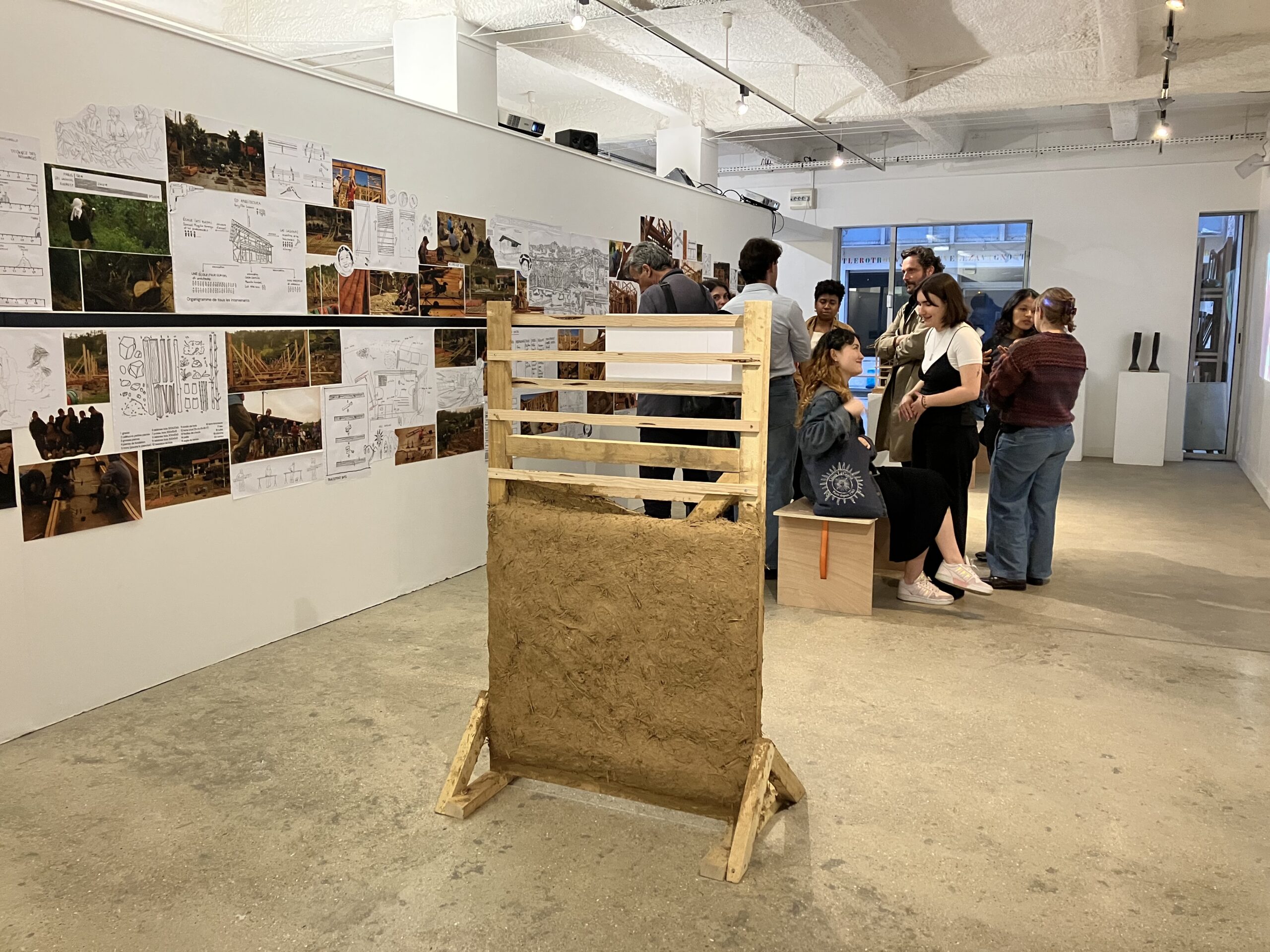
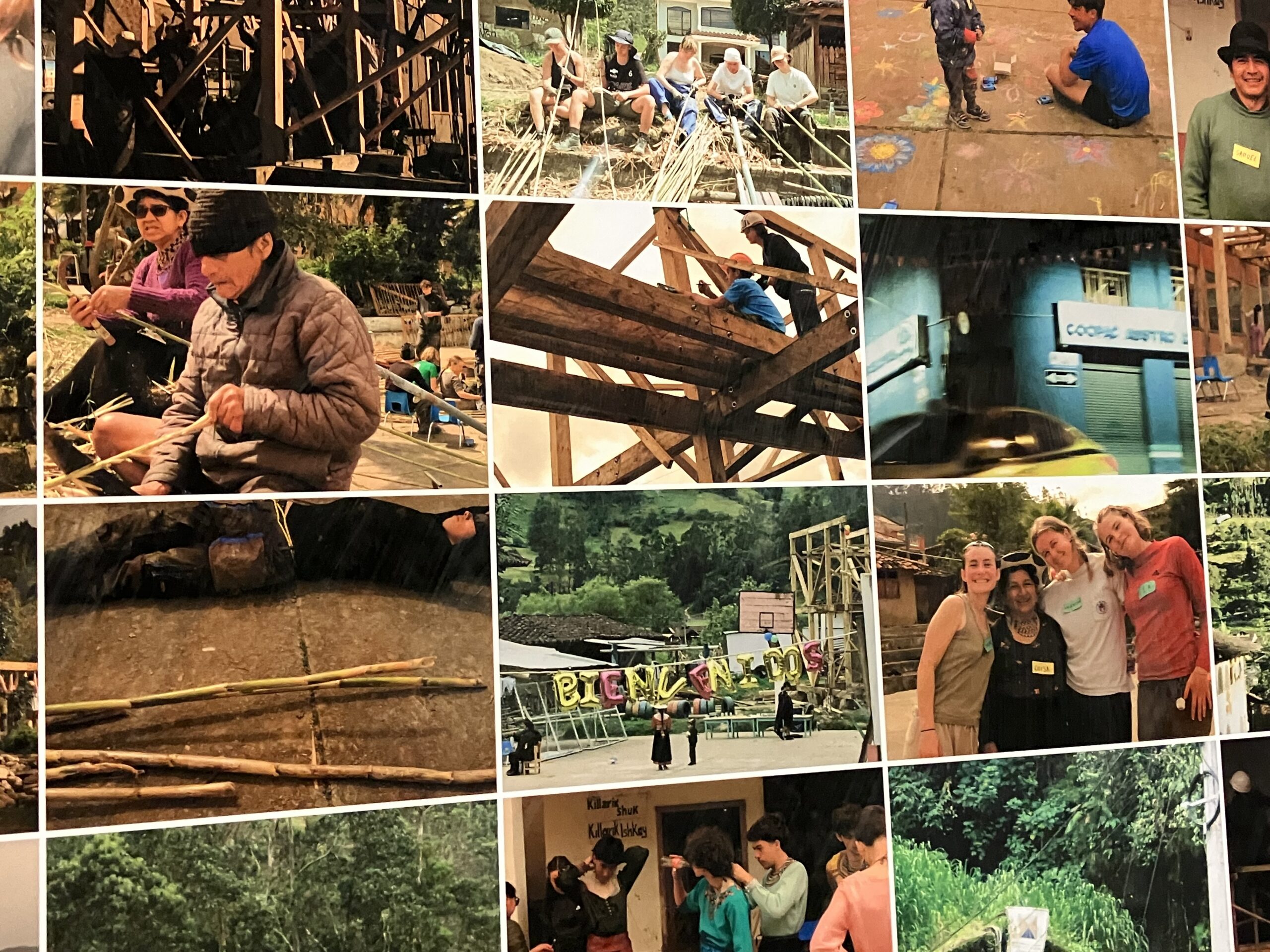
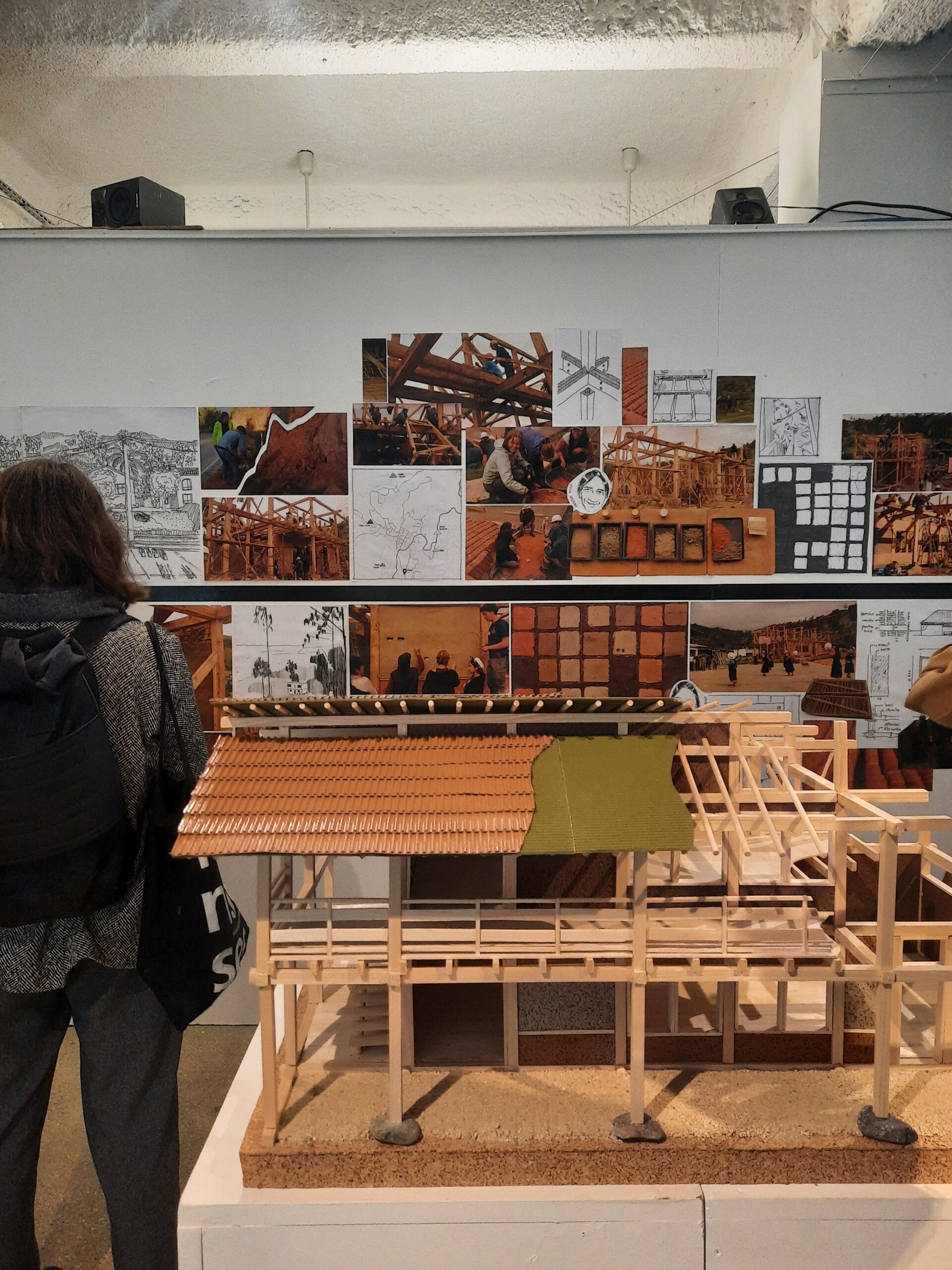
The exhibition reports on a field experiment carried out in Saraguro, Ecuador, involving the participative construction of two classrooms for the Inti Raymi school. For five weeks, students from ENSA Paris-la Villette, Ecuadorian architects and local residents worked closely together in a collective dynamic akin to the “minga”, a traditional form of mutual aid.
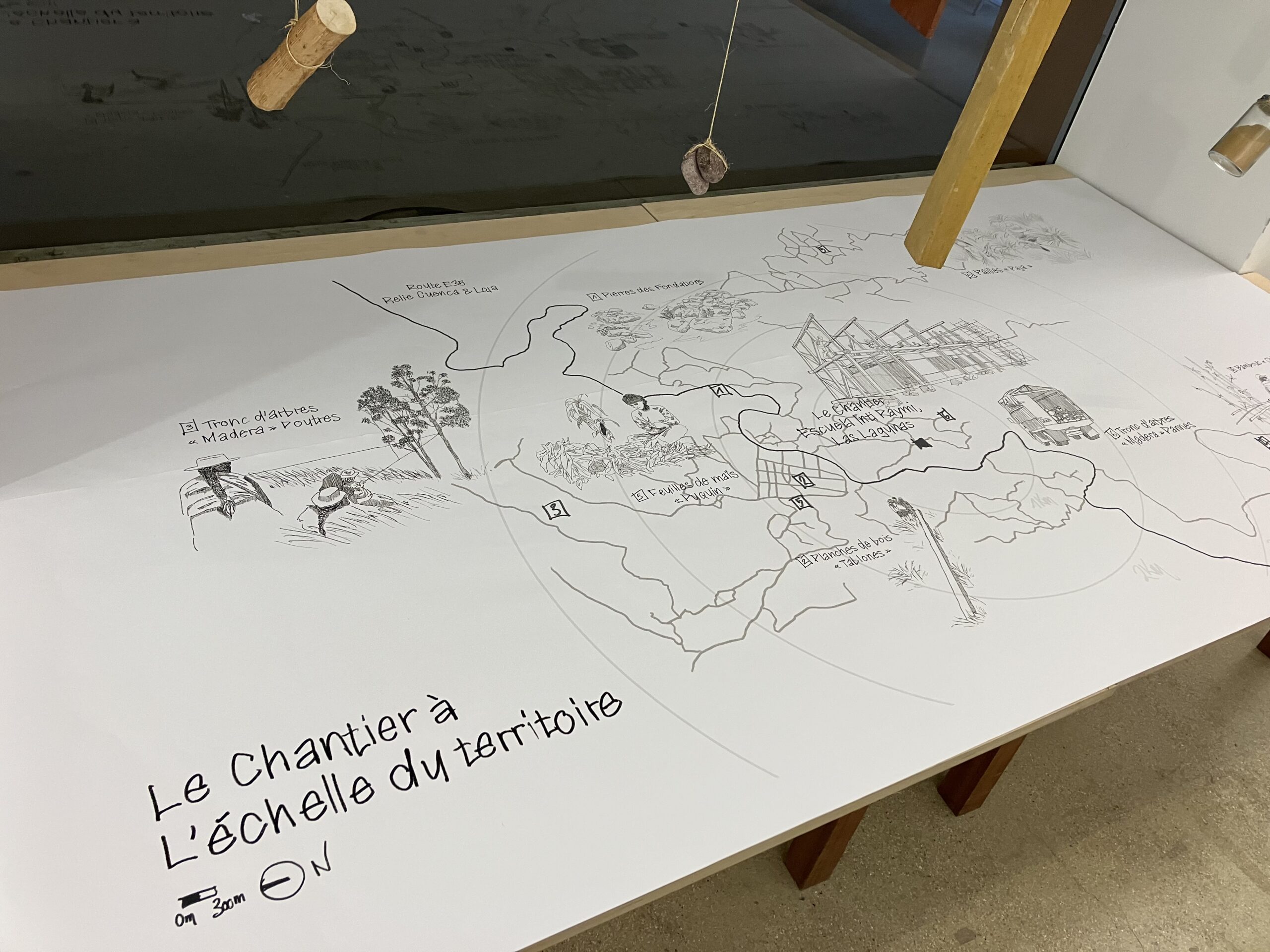
The project highlights a situated approach to architecture, based on learning about the territory, the use of local resources and the transmission of know-how.
Beyond the built object, this experiment questions contemporary architectural practices, exploring forms of intercultural cooperation and production methods that are more sober and anchored in their context.
The exhibition is divided into three parts:
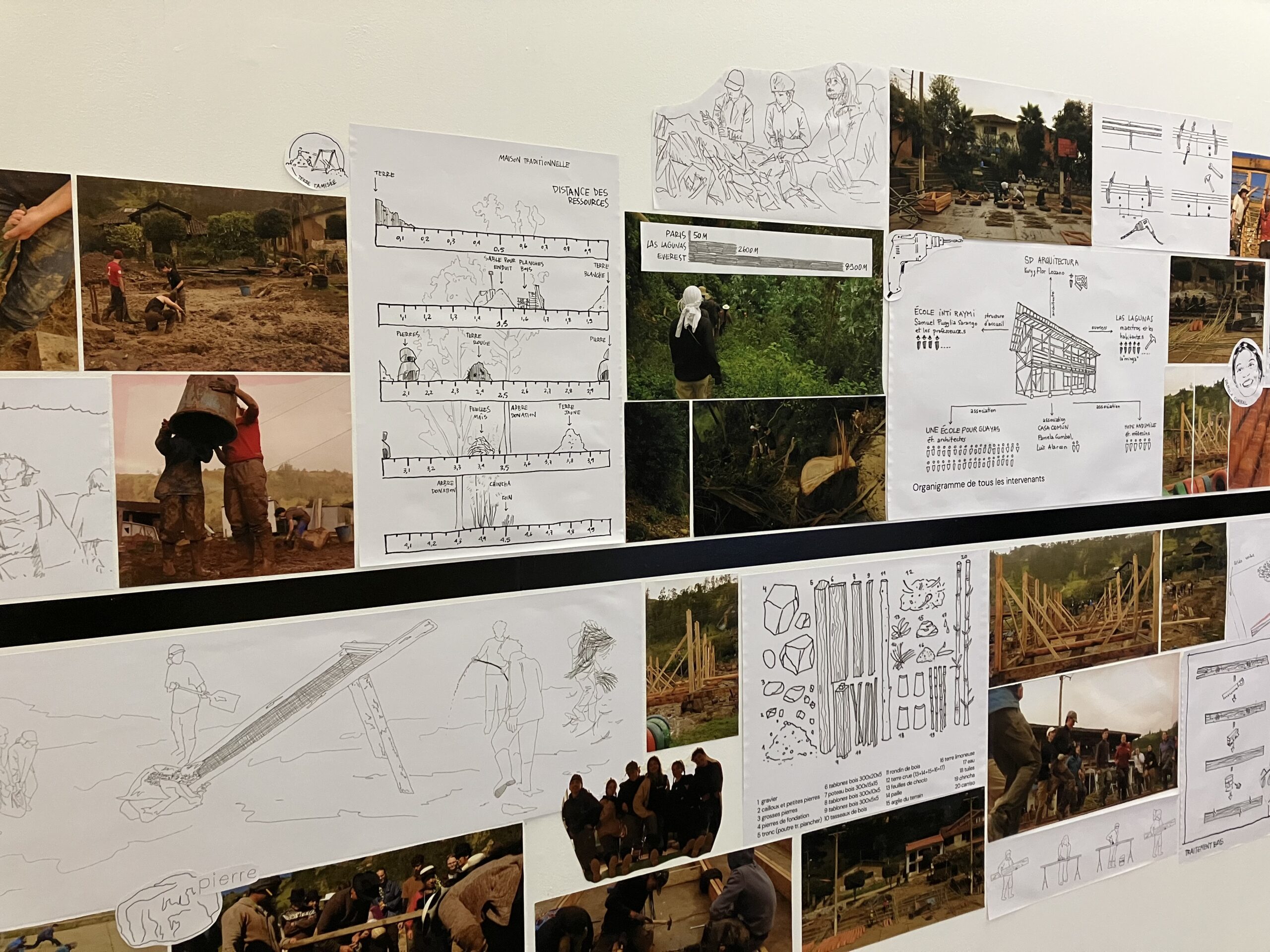
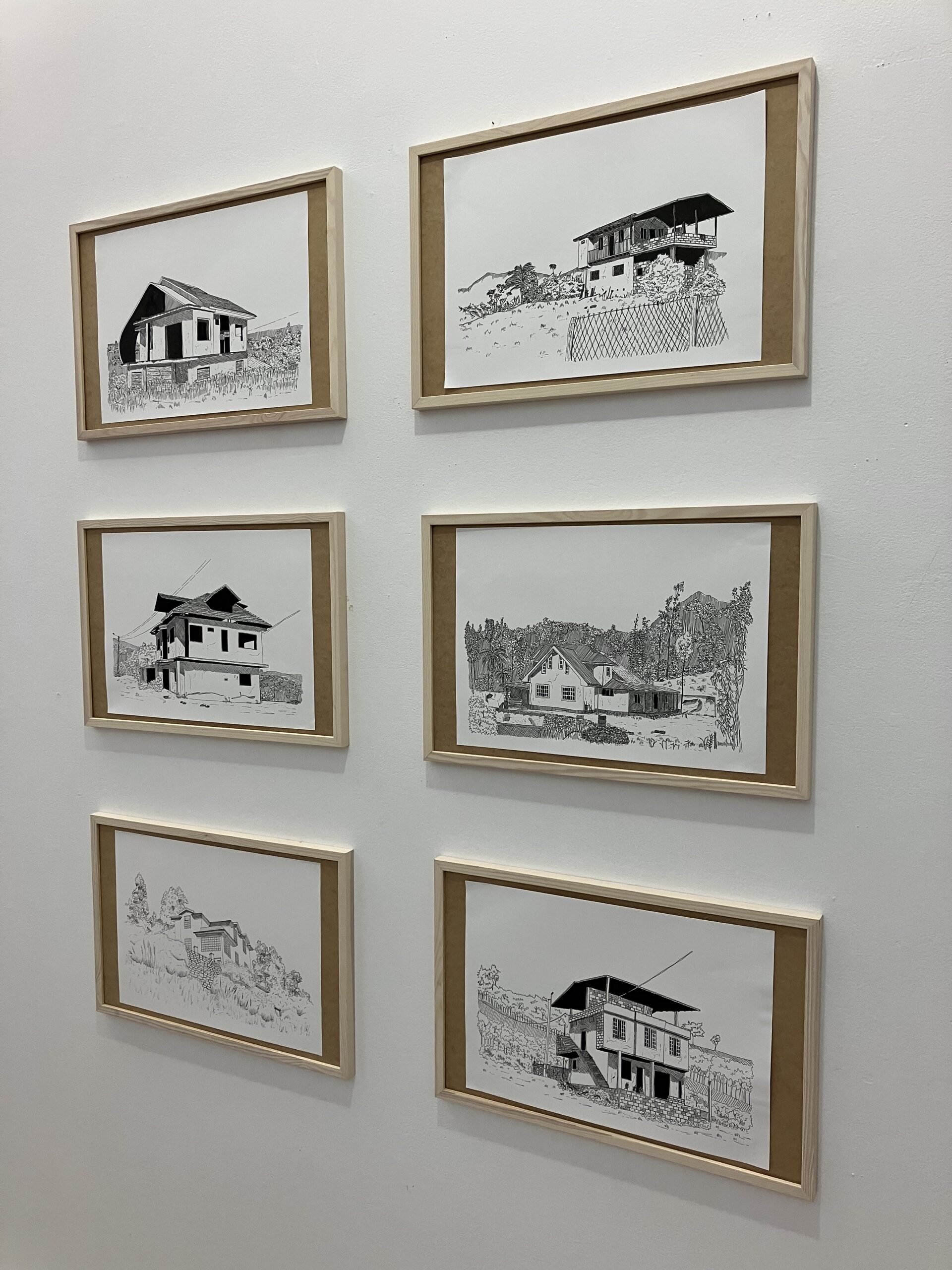
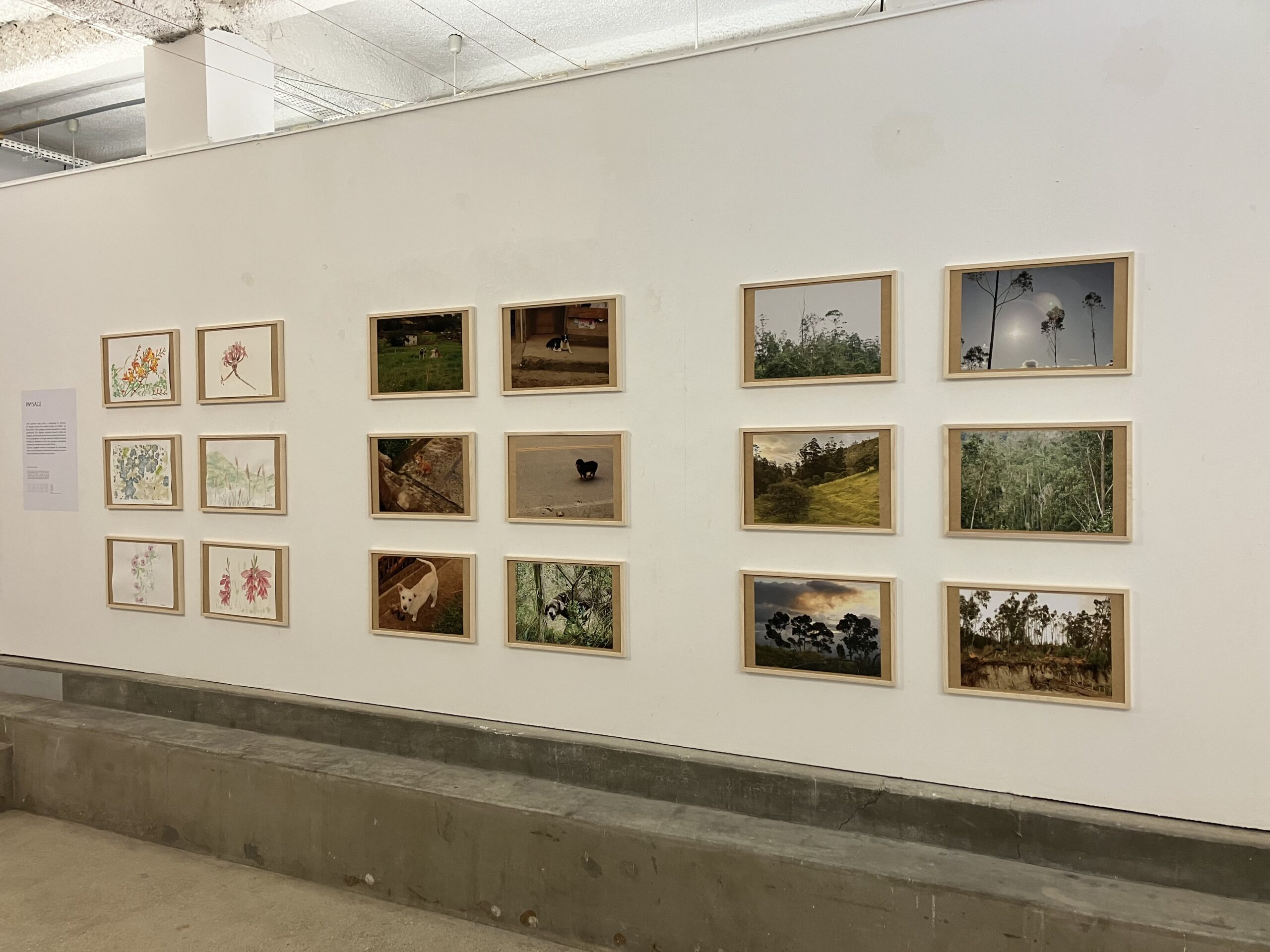
- Territory: A sensitive reading of the Saraguro landscape, linking natural resources, living environments and construction practices.
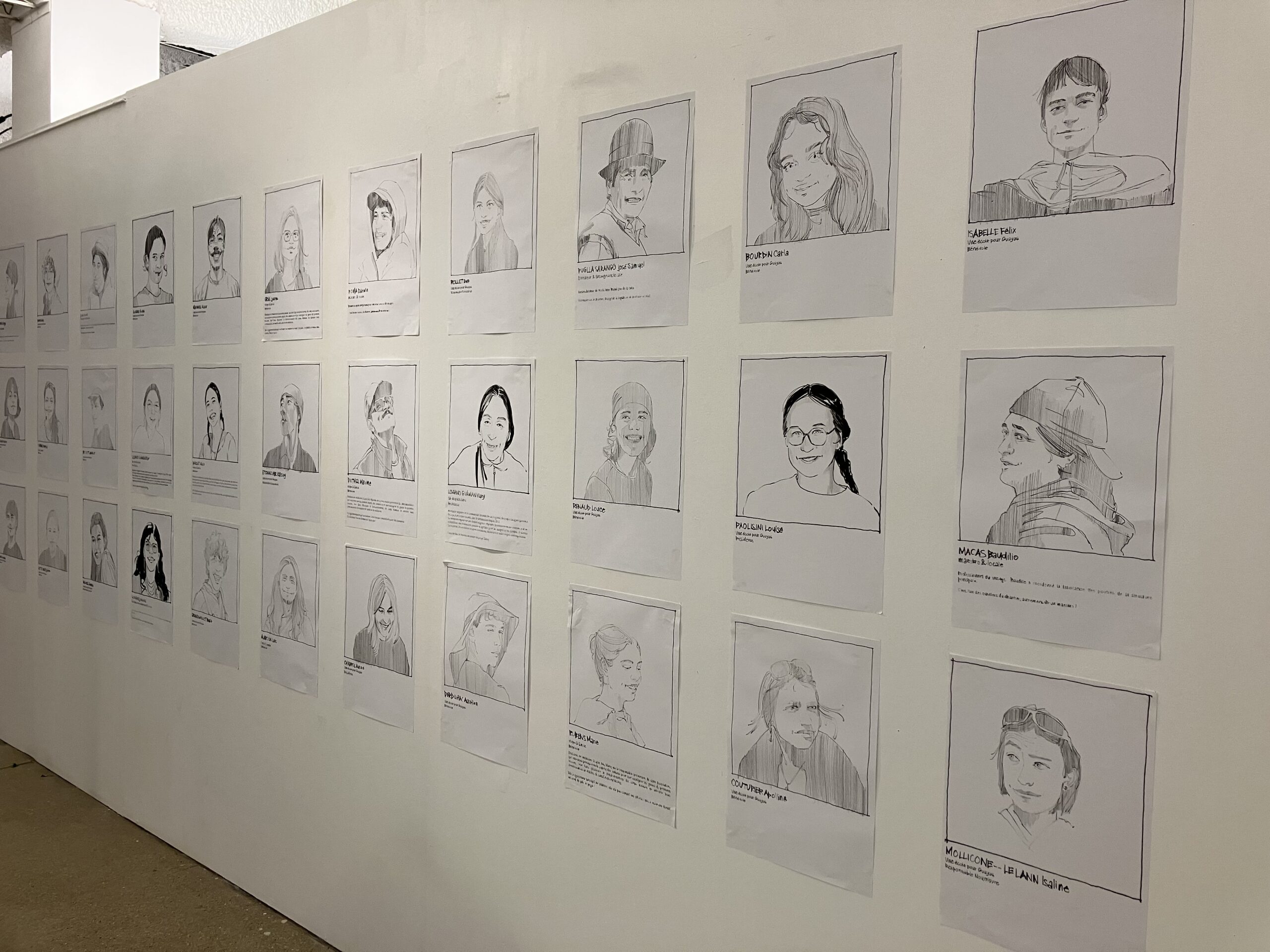
- Community: A spotlight on the project’s protagonists and Kichwa culture, through exchanges, know-how and forms of collective life.
- Worksite: The worksite as a space for experimentation and living, where learning, construction and shared daily life come together.
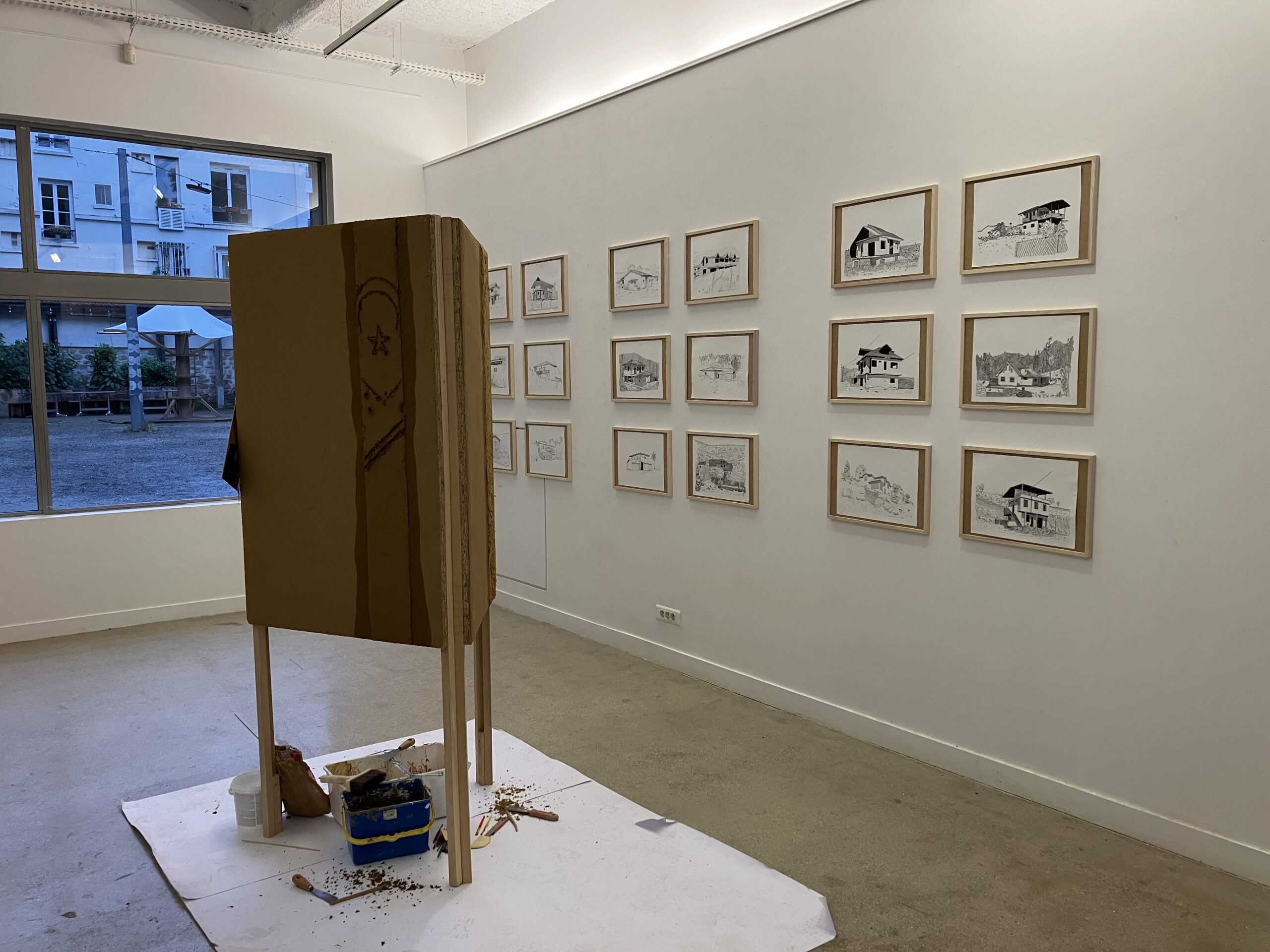
Photographs, models, drawings, plans and clay construction workshops are all part of the tour.
Curated and produced by :
- Students from ENSA Paris-la Villette, members of thestudent association Une École pour Guayas 2025: Louise Paolasini, Aurore Chabrol, Diane Doray, Arthur Tristram and Noé Riaud.
- Casa Común – support association for earth and fiber construction: Pamela Cumbal, Luis Alarcón, María Belén Cumbal
- Teachers at ENSA Paris-la Villette: Diane Aymard and Olivier Boucheron
This project is a continuation of the actions undertaken by theassociation Une École pour Guayas, which, since its creation in 2001, has been developing projects for the construction and restoration of educational buildings in collaboration with Ecuadorian communities. Based on a commitment to both the material and the human, the association carries out solidarity initiatives in close collaboration with local players.
Faced with changing political contexts, it has gradually expanded its scope of action in Peru. Every year, second-year undergraduates at ENSA Paris-la Villette embark on this process, seeking funding and establishing partnerships with a host community and local structures. This annual dynamic, supported by the renewal of the graduating classes, makes the project a space for continuous learning, where experimentation, commitment and diversity of constructive practices come together.
Since May 2025, the association has been recognized as a public utility by the French government, marking a milestone in the recognition of its actions. At the same time, since 2021, our projects have increasingly focused on vernacular know-how, valorizing local resources and local building practices, at the heart of a reflection that is more attentive to existing contexts and ways of doing things.
In this continuity of situated and collaborative practices, Casa Común is a complementary initiative by three Ecuadorian architects: Pamela Cumbal, Luis Alarcón and María Belén Cumbal. Founded in 2024, the association was born of a shared desire to question the modes of production of contemporary architecture through the valorization of natural materials, local knowledge and construction practices adapted to territories.
Casa Común’s approach is rooted in the social and environmental realities of the communities it works with. Casa Común focuses on three main areas: research, training and technical assistance. In particular, it is committed to exploring and documenting local or innovative construction techniques, passing on traditional know-how and supporting construction projects using bio- and geo-sourced materials.
The association intervenes directly in the field through participatory diagnostic approaches, encouraging dialogue with local residents to identify real needs. It also promotes tangible and intangible knowledge, integrating vernacular building practices into contemporary urban and rural projects.
Through this approach, Casa Común contributes to a broader reflection on sober, inclusive and resilient architecture, capable of responding to contemporary social and climatic challenges while drawing on local resources and intelligence.
Exhibition open Monday to Friday, 10am to 7pm, Saturday 10am to 6pm, except Friday May 8 (Victory Day 1945). Free admission.
Opening on Tuesday, May 5, 2026 at 6.30pm.
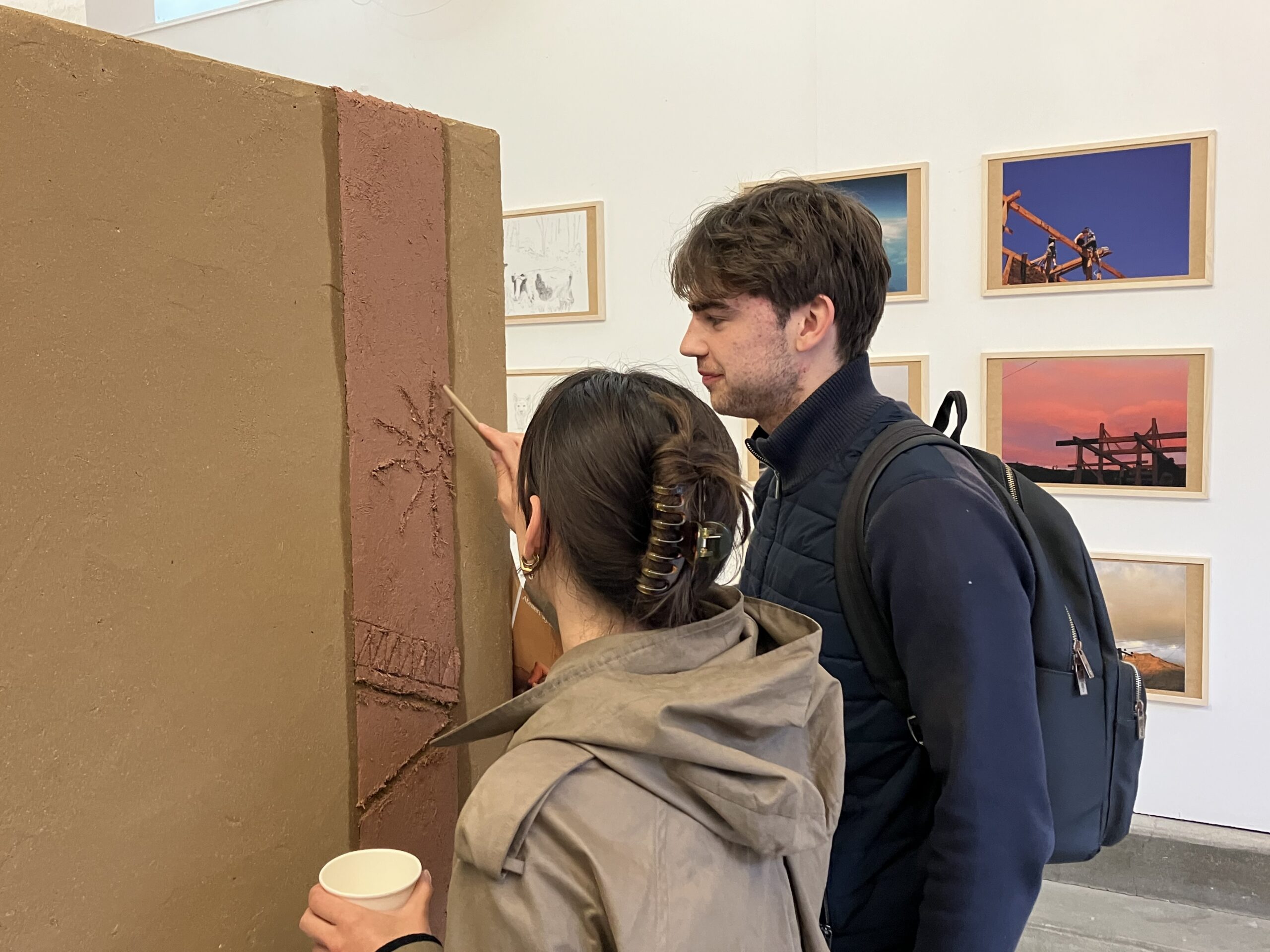
For the vernissage, come and try your hand at sgraffito: a clay plastering technique that consists in superimposing layers of different colors and scraping them to reveal patterns.
At the crossroads of constructive gesture and plastic research, these workshops invite you to question clay as a living material, rooted in traditional know-how and bearing contemporary challenges.
A direct hands-on experience open to all profiles – from the technically curious to the architecturally sensitive.